The International Monetary Fund has warned that the growing use of dollar-backed stablecoins in Nigeria could threaten monetary sovereignty.
The warning was contained in the IMF’s 2026 Article IV Consultation Staff Country Report on Nigeria.
According to the Fund, stablecoins offer benefits such as faster payments, lower transaction costs and improved financial inclusion.
However, it cautioned that increased reliance on U.S. dollar-denominated stablecoins could encourage digital dollarisation.
The IMF said widespread use of such assets may weaken monetary policy effectiveness and complicate capital flow management.
It also raised concerns about financial stability and transactions occurring outside the formal financial system.
The Fund recommended stronger regulation of stablecoins through licensing, consumer protection and reporting requirements.
It stressed the need for close coordination between the Central Bank of Nigeria and the Securities and Exchange Commission.
The report also highlighted concerns over Multiple Currency Practices in Nigeria’s foreign exchange framework.
According to the IMF, certain foreign exchange transactions conducted by the Central Bank created multiple exchange rates.
The Fund identified exchange rate adjustments applied to foreign exchange purchases and sales involving government agencies.
It urged Nigerian authorities to eliminate these practices in line with IMF standards.
The Central Bank, however, disagreed with the IMF’s interpretation of the measures.
According to the CBN, the charges identified by the IMF are cost-recovery mechanisms rather than exchange rate policies.
The apex bank also argued that the adjustments affect only a small portion of total market turnover.
The IMF further encouraged Nigeria to phase out remaining capital flow management measures when conditions permit.
It welcomed the removal of restrictions affecting repatriated export proceeds by international oil companies.
The Fund said other foreign exchange controls should eventually be withdrawn as economic stability improves.
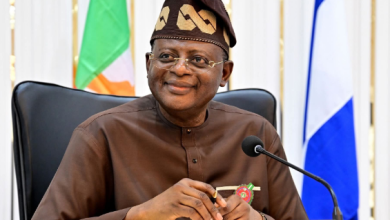
Meanwhile, President of the Capital Market Academics of Nigeria, Professor Uche Uwaleke, welcomed aspects of the report.
He, however, cautioned against recommendations that could result in additional tax burdens on Nigerians.
Uwaleke expressed concern over suggestions involving possible increases in Value Added Tax and broader tax coverage.
He argued that such measures could worsen living conditions amid rising inflation and economic hardship.
According to him, policymakers should prioritise improving tax administration and expanding the tax base.
He said stronger compliance and economic growth would generate more sustainable revenue than higher taxes.
The economist also raised concerns about reports of a proposed $5 billion external loan arrangement.
He warned that excessive collateral requirements could create long-term fiscal and asset management risks.
Uwaleke nevertheless supported the IMF’s call for stronger oversight of stablecoins and digital assets.
He noted that effective regulation is necessary to balance innovation with financial stability and consumer protection.