The United States government has announced plans to phase out funding for HIV and AIDS programmes in South Africa, a decision expected to reshape one of the world’s largest public health partnerships and deepen already strained relations between Washington and Pretoria.
South Africa, which has the highest number of people living with HIV globally, currently records more than eight million infections.
For years, its national response has been significantly supported by the United States through the President’s Emergency Plan for AIDS Relief, which contributed an estimated $400 million annually until 2025.
A U.S. State Department official confirmed that a “phased drawdown” of PEPFAR support would now begin, attributing the decision to what Washington described as South Africa’s limited progress on certain policy expectations.
The official said the move was designed to encourage greater domestic responsibility for healthcare funding.
“South Africa is a middle-income country and is more than capable of supporting its own health programs,” the official stated.
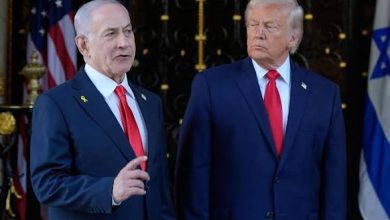
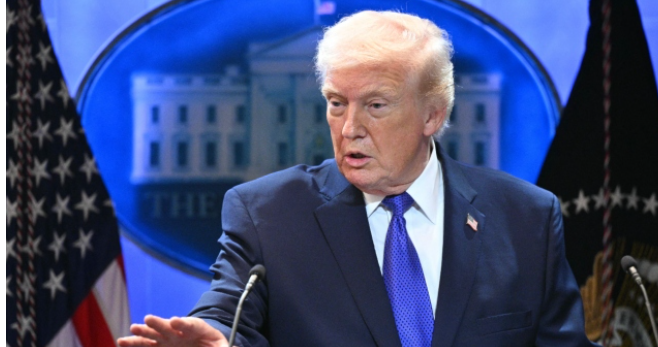
The decision comes amid growing political friction between the two countries, which has intensified since the return of President Donald Trump to office.
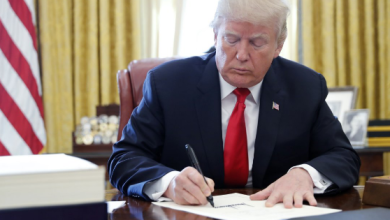
Shortly after his inauguration, Trump signed an executive order alleging that several South African policies undermined equal opportunity and contributed to what he described as violence against “racially disfavoured landowners”.
The South African government has repeatedly rejected these claims, insisting that its Black Economic Empowerment policies are designed to address structural inequalities rooted in the apartheid era.
The executive order also referenced South Africa’s genocide case against Israel at the International Court of Justice, as well as its diplomatic relations with Iran, as factors influencing Washington’s policy direction.
The White House further stated that, in light of what it called “unjust and immoral practices”, additional aid to South Africa would not be provided.
Trump has also reiterated claims of a so-called “white genocide” in South Africa, assertions that have been widely discredited by experts and observers.
Despite this, the claims have influenced policy discussions, including the establishment of a refugee programme for Afrikaners.
The Afrikaners are descendants of primarily Dutch settlers who arrived in southern Africa in the 17th century.
PEPFAR funding, which has historically accounted for about one-fifth of South Africa’s HIV response budget, had previously been extended temporarily under a “bridge plan” introduced in late 2024.
Reacting to the development, South Africa’s health ministry said it had not yet received formal notification of the funding withdrawal but insisted that contingency planning had already been underway.
The ministry also sought to reassure patients, stating that the supply of antiretroviral drugs remains stable and is largely financed by the South African government.
Officials emphasised that while U.S. support has been significant in strengthening HIV programmes, the country is increasingly focused on achieving long-term self-reliance in healthcare delivery.
Diplomatic relations between both countries have been under strain in recent years.
A notable flashpoint occurred during a White House meeting between President Trump and South African President Cyril Ramaphosa, where tensions surfaced over allegations of discrimination against white South Africans.
Relations deteriorated further when the United States boycotted the G20 summit hosted by South Africa last November.
Analysts warned that the withdrawal of PEPFAR funding could place additional pressure on South Africa’s healthcare system, even as authorities insist they are prepared to sustain essential HIV treatment and prevention services without U.S. assistance.
The development marks a significant shift in one of the world’s most important global health partnerships and is expected to have long-term implications for HIV response efforts in the region.