Dickson’s projects revive historic Boro town By Hon. Obubo Koripamo Davies

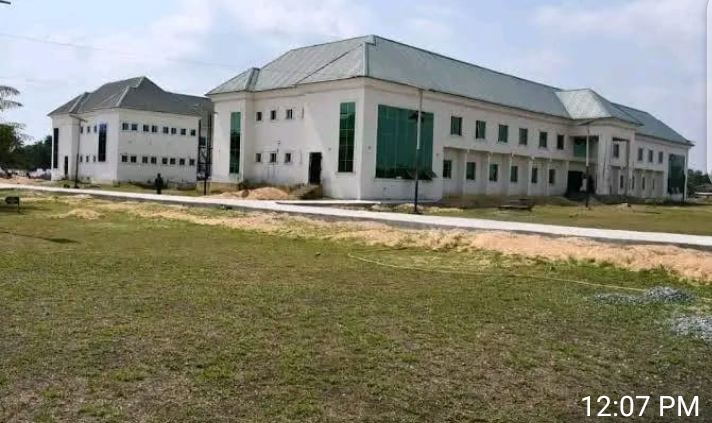 The long-standing dream of transforming Boro Town in Kolokuma/Opokuma Local Government Area of Bayelsa State into a symbol of Ijaw heritage and development became reality during the Restoration Government of former governor Seriake Dickson.
Boro Town, located around Kaiama, Bayelsa State, carries deep historical importance for the Ijaw people.
The community is named after Isaac Jasper Adaka Boro, the nationalist and freedom fighter who led the Niger Delta Twelve-Day Revolution in 1966 and proclaimed the short-lived Niger Delta Republic.
For decades, the community remained largely underdeveloped despite its symbolic status as the cradle of the Niger Delta struggle.
Difficult terrain, poor road access and limited infrastructure isolated the area and hindered meaningful development.
The situation began to change following the election of Dickson as governor in 2012 under a development blueprint widely known as the Restoration Agenda.
The administration placed emphasis on infrastructure, education, cultural preservation and the broader development of the Ijaw nation.
One of the most significant steps was the construction of an all-season access road linking Kaiama and surrounding communities to Boro Town.
By 2013, during the annual Boro Day celebrations, the road project was reported to be more than 90 percent completed, dramatically improving mobility and economic activity in the area.
The improved connectivity opened the community to further development and government projects that had previously been difficult to execute.
Beyond road infrastructure, the Dickson administration embarked on the development of Boro Town as a planned residential and commemorative settlement.
The project included the construction of modern housing units, internal road networks and basic infrastructure aimed at creating a dignified environment that reflects the legacy of Adaka Boro.
The development formed part of major projects highlighted in the state government’s mid-term and six-year performance reports.
In 2013, Dickson also laid the foundation for the Adaka Boro Memorial Institute during Boro Day celebrations.
The institute was conceived as a cultural and educational centre designed to preserve Boro’s history, promote his ideals of justice and self-determination, and inspire younger generations.
As part of efforts to immortalise the Ijaw hero, the Bayelsa State Government also announced the acquisition of the Boro family residence in Kaiama to be preserved as a historical monument.
The move was intended to safeguard the personal legacy of Adaka Boro while strengthening the historical narrative of the Ijaw struggle for equity and regional development.
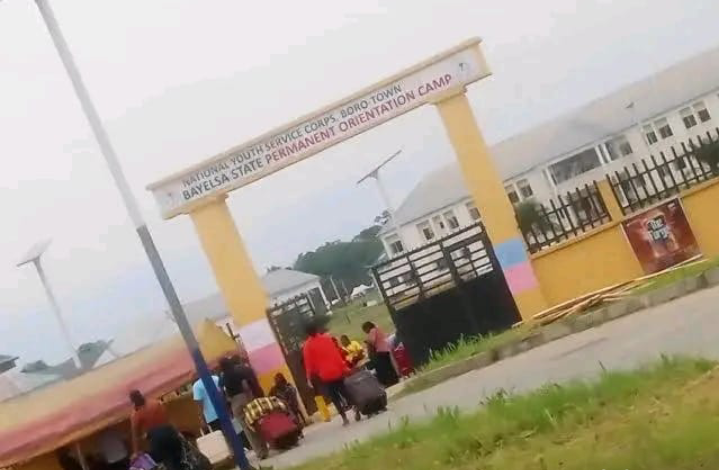
The improved infrastructure also attracted federal intervention projects to the area. Notably, the location later became home to the permanent orientation camp of the National Youth Service Corps in Bayelsa State.
The development turned Boro Town into a national youth service hub, bringing young graduates from across Nigeria into the historic community each year.
Observers said the transformation of Boro Town marked the fulfillment of a long-standing aspiration among many Ijaw leaders and citizens to honour the legacy of Adaka Boro through concrete development.
Dickson consistently linked the project to the vision of preserving Ijaw identity while promoting education, infrastructure and collective progress.
Subsequent administrations, including that of Governor Douye Diri, have acknowledged the foundation laid during the Restoration Government, particularly in the preservation of Boro’s legacy and the development of the Kaiama axis.
Today, Boro Town stands not only as a memorial to a revolutionary figure but also as a growing community that reflects the enduring ideals of justice, unity and development associated with the Ijaw struggle.
Hon. Obubo Koripamo Davies is the founder of RAINBOW NATION.