
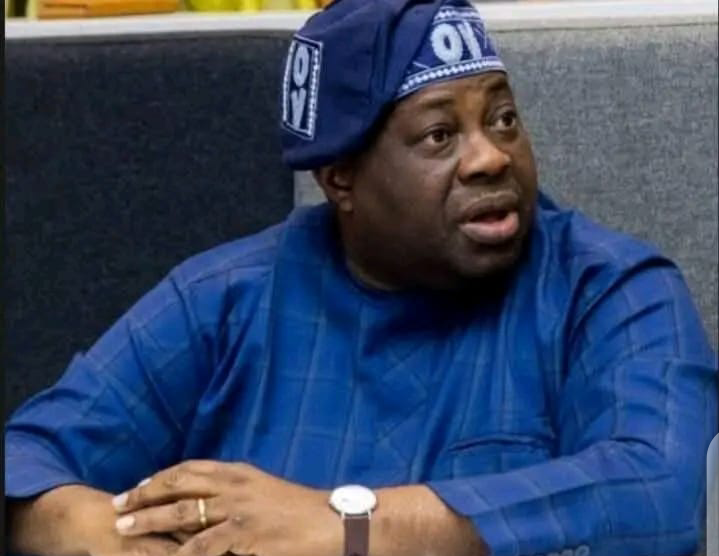
 Media entrepreneur and publisher Dele Momodu has launched a scathing attack on former presidential aides Reno Omokri and Femi Fani-Kayode, accusing them of lacking credibility and attempting to intimidate him into silence.
In a statement, Momodu said he initially intended to ignore the duo but later chose to respond to what he described as persistent provocations.
He dismissed both men as “agents of perfidy,” insisting they could not coerce him into submission.
Momodu also alleged that Omokri and Fani-Kayode had previously made damaging remarks about President Bola Tinubu, which, according to him, cannot be erased from public memory.
He argued that their current posture in defense of the president raises questions about consistency and credibility.
The publisher maintained that, unlike the two men, he has never made unverified allegations against Tinubu.
He emphasised that his criticisms of the president have been limited to claims of authoritarian tendencies, which he said he stands by.
Drawing from Nigeria’s political history, Momodu referenced the annulled 1993 presidential election believed to have been won by Moshood Abiola, stating that his personal experience during that era shaped his opposition to any form of dictatorship.
He also revealed that his past relationship with Tinubu influenced his restrained criticism, noting that he had deliberately softened his stance out of respect for appeals from prominent Yoruba elders and retired military figures.
Momodu added that he had even suspended his well-known “Pendulum” column in publications such as ThisDay as a mark of consideration for the president.
In a personal claim, he alleged that both Omokri and Fani-Kayode had, at different times, privately reached out to him for support or reconciliation after publicly criticising him.
Momodu questioned why the two figures continue to defend Tinubu so aggressively, despite what he described as their past damaging statements about the president, lamenting the situation as reflective of Nigeria’s complex political landscape.