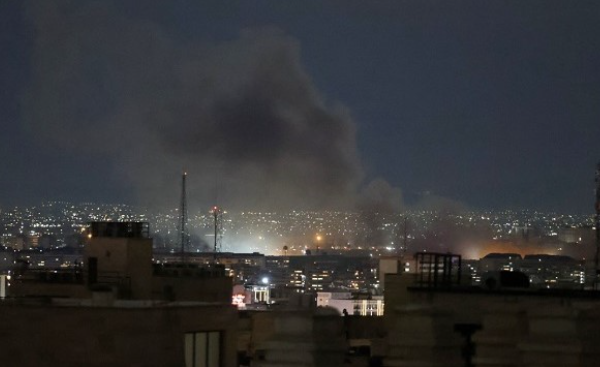
The Israel military on Saturday said it carried out a strike on a naval weapons research facility in Iran, as a fresh wave of explosions shook the capital, Tehran, late into the evening.
The renewed attacks followed a major escalation in the regional conflict, with Yemen’s Houthi rebels announcing their entry into the war by launching a missile toward Israel.
According to Israeli military authorities, the latest operation targeted the headquarters of Iran’s Marine Industries Organisation, a facility described as central to the development of naval weaponry, including surface and underwater vessels as well as manned and unmanned systems.
An AFP journalist in Tehran reported hearing powerful explosions overnight, accompanied by thick plumes of black smoke rising from impacted areas.
Israeli officials indicated that strikes on Iran’s military infrastructure had intensified, with one spokesman stating that operations would soon extend to “all critical components” within days.
By Saturday evening, additional explosions reverberated across the Iranian capital for several minutes, although the specific targets were not immediately clear.
Civilians expressed growing distress over the sustained bombardment. “I miss a peaceful night’s sleep,” one Tehran-based artist said, describing the strikes as so intense that “it felt like all of Tehran was shaking.”
“We are powerless to change a government that kills, and we don’t want this war either. We just want a normal, simple life,” the resident added.
The conflict has rapidly expanded since the United States and Israel launched coordinated airstrikes across Iran, reportedly killing Supreme Leader Ali Khamenei.
The development has triggered widespread instability, driven up global energy prices, and sparked urgent diplomatic efforts to contain the crisis.
Pakistan has emerged as a key intermediary, hosting talks aimed at de-escalation.
Foreign ministers from Saudi Arabia, Turkey, and Egypt are expected to meet in Islamabad to discuss pathways toward resolving the conflict.
Iranian President Masoud Pezeshkian has acknowledged Pakistan’s mediation efforts, while German Foreign Minister Johann Wadephul indicated that direct talks between Washington and Tehran could take place soon.
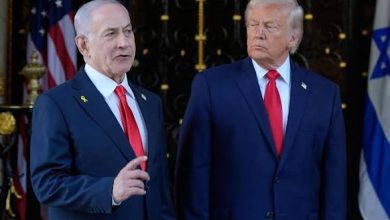
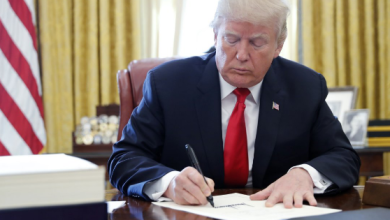
Meanwhile, U.S. President Donald Trump, through his envoy Steve Witkoff, expressed optimism that negotiations with Iran could begin within days.
“It could solve it all,” Witkoff said.
Despite such signals, tensions continue to rise.
The Houthis released footage claiming responsibility for ballistic missile launches targeting Israeli bases, though Israeli authorities reported intercepting at least one missile fired from Yemen.
The involvement of the Houthis has heightened fears over disruptions to global shipping routes, particularly in the Red Sea and surrounding waterways.
During earlier conflicts, the group targeted vessels in the Red Sea and Gulf of Aden, forcing shipping companies to reroute operations at significant cost.
With Iran declaring restrictions on navigation through the strategically vital Strait of Hormuz, alternative routes have come under pressure.
Key logistics hubs, including the Omani port of Salalah, have seen disruptions, with shipping giant Maersk temporarily suspending operations following a drone incident.
Elsewhere, missile and drone strikes have extended to economic infrastructure.
In the United Arab Emirates, the Khalifa Economic Zone in Abu Dhabi was hit, injuring several people and causing significant industrial damage.
Air travel has also been affected, with reported damage to airport facilities in Kuwait and Erbil.
In Iraq, strikes near Kirkuk and Mosul resulted in casualties among security personnel, with local authorities blaming joint U.S.-Israeli operations.
Within Iran, industrial production has been disrupted, including the shutdown of a major steel plant in the southwest following bombardments.
The country’s Revolutionary Guards have warned of retaliatory strikes targeting industrial sites across the region.
President Pezeshkian also issued a warning to neighbouring states: “If you want development and security, don’t let our enemies run the war from your lands.”
The conflict has drawn in additional international actors.
An Iranian strike on the Prince Sultan Air Base in Saudi Arabia reportedly wounded several U.S. personnel, according to American media.
At the same time, Volodymyr Zelensky has been in the Gulf seeking defence cooperation agreements, particularly in anti-drone technology.
“We are talking about a 10-year cooperation,” Zelensky said, noting agreements already signed with Saudi Arabia and Qatar, with further deals expected with the United Arab Emirates.
Qatar confirmed a fresh missile interception on Saturday, highlighting the continued volatility across the region.
Back in Israel, public dissent is also growing. Hundreds of demonstrators gathered in Tel Aviv and other cities to protest the war, despite restrictions by security forces.
“No one’s thought how the hell we’re going to get out of it, and there’s no end in sight,” said one protester, reflecting rising concern over the prolonged conflict.
As the violence spreads across multiple fronts, fears persist that the crisis could deepen further, with no immediate resolution in sight.