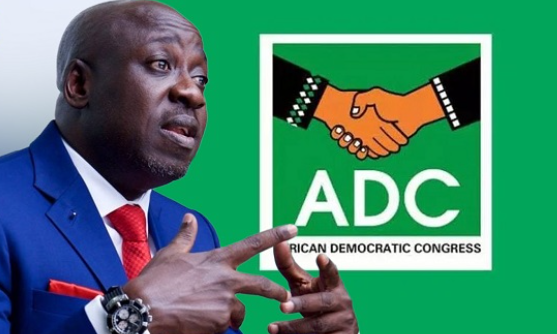
The African Democratic Congress (ADC) has raised fresh concerns over its ability to participate in the 2027 general elections, warning that recent actions by the Independent National Electoral Commission (INEC) could prevent it from fielding candidates.
In a statement on Monday by its National Publicity Secretary, Bolaji Abdullahi, the party said INEC’s refusal to accept official correspondence from its leadership has created serious procedural challenges, making it difficult to meet key legal requirements ahead of electoral deadlines.
The party noted that the commission’s stance could obstruct its compliance with statutory obligations, including submission of documents and observance of mandatory notice periods, especially with a May 10 deadline already set by INEC.
According to the ADC, the situation contradicts earlier engagements between both parties.
It argued that records showed INEC had previously acknowledged and interacted with its leadership, making the current position appear inconsistent.
The party said it was compelled to alert the public to what it described as a troubling development, adding that it possesses documentary evidence—including certified records from INEC, attendance registers, monitoring reports, and extracts from sworn affidavits—to support its claims of prior recognition.
It further stated that INEC had been duly notified of its National Executive Committee meeting held on July 29, 2025, which the commission reportedly attended in an official capacity.
Following that meeting, the party said INEC updated its records to reflect a leadership structure led by David Mark as National Chairman and Rauf Aregbesola as National Secretary.
Describing these developments as verifiable facts contained in INEC’s own records, the ADC said it was contradictory for the commission to now reject all correspondence from the party pending the outcome of a case before the Federal High Court.
The party emphasised that the Electoral Act stipulates strict timelines for political parties, including a 21-day notice requirement for key activities.
It warned that INEC’s refusal to receive its submissions within this timeframe effectively blocks it from complying with the law.
The ADC cautioned that unless the ongoing leadership dispute is resolved by the courts before the May 10 deadline, it risks being unable to present candidates for the elections.
“This situation leaves us with no viable options and creates what amounts to artificial non-compliance,” the party stated, warning that such a scenario could later be used as justification to exclude it from the electoral process.
The party called on INEC to review its position, resume accepting lawful communications from its leadership, and ensure fairness and equal treatment for all political parties in accordance with its constitutional mandate.
It also urged Nigerians to remain vigilant against what it described as threats to democratic principles.
The dispute comes amid a worsening leadership crisis within the ADC, following INEC’s decision to withdraw recognition of the National Working Committee led by David Mark.
INEC maintained that its action was based on compliance with a subsisting court ruling and its responsibility to remain neutral while regulating political parties.
The commission said that in light of conflicting claims and ongoing litigation, it reverted to a status quo position pending final judicial determination.
This move has effectively left the party without formal recognition by the electoral body, creating uncertainty within its organisational structure.
However, the ADC rejected the decision, accusing INEC of bias and undue interference in its internal affairs, and warning that the development undermines internal party democracy and due process.