Japan has announced a $10 billion (£7.4 billion) support package aimed at helping Asian countries cope with worsening energy supply disruptions triggered by the Iran crisis, with particular attention to Southeast Asia’s exposure to fuel shortages.
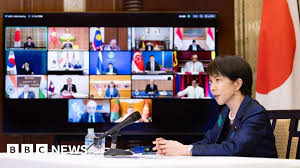
Prime Minister Sanae Takaichi unveiled the initiative on Wednesday after holding a virtual meeting with regional leaders, describing it as part of a wider cooperation framework designed to strengthen energy security across Asia.
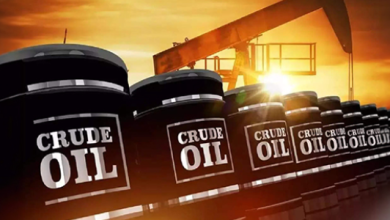
The funding is expected to assist countries in securing crude oil and petroleum products, stabilising supply chains, and expanding emergency fuel reserves.
The move comes amid growing concern over disruptions in global shipping routes, particularly through the Strait of Hormuz, a key artery for global oil trade.
Takaichi said Japan’s approach reflects deep regional interdependence. “Japan is closely interconnected with each Asian country through supply chains and mutually dependent with them,” she said during a briefing announcing the plan.
According to Japan’s foreign ministry, the scale of the package is roughly equivalent to the annual crude oil import bill of the Association of Southeast Asian Nations (ASEAN), underscoring the severity of current supply risks.
Nearly 90 per cent of oil and gas shipments passing through the Strait of Hormuz are destined for Asian markets, leaving the region highly exposed to any disruption in Middle East energy flows.
Leaders from several countries, including the Philippines, Malaysia, Singapore, Thailand, Vietnam, Bangladesh and South Korea, reportedly welcomed the initiative during the virtual summit, viewing it as a stabilising intervention for regional energy markets.
The financing would be channelled through major Japanese and multilateral institutions, including the Japan Bank for International Cooperation, Nippon Export and Investment Insurance, the Japan International Cooperation Agency, and the Asian Development Bank.
Japanese authorities stressed that the plan would not compromise domestic supply security.
The country currently holds strategic oil reserves estimated to cover about 254 days of consumption, though it has already begun drawing from those stocks in response to global disruptions.
In recent weeks, Japan released a record 50 days’ worth of reserves and is preparing to release an additional 20 days of supply in early May, reflecting the seriousness of current market pressures.
Officials have also raised concerns about potential shortages of naphtha, a petroleum-based feedstock essential for producing plastics used in medical and industrial supplies, including syringes, gloves and dialysis equipment.
They insisted there is no immediate risk of domestic shortages, concerns persist that prolonged disruptions could strain Japan’s healthcare system, which is already under pressure from demographic ageing.
Across Southeast Asia, governments are increasingly responding to rising energy costs with conservation measures such as reduced electricity consumption, limits on air-conditioning use, and encouragement of carpooling.
The Philippines has already declared a national energy emergency.
At the regional meeting, Philippine President Ferdinand Marcos Jr urged stronger cooperation, warning that no country could withstand such shocks alone.
“No single country in Asia can insulate itself from supply chain shocks of this scale by acting alone,” he said, highlighting the shared vulnerability across the region as global energy markets remain unsettled.