Nigeria’s Senate has reversed the amendment recently made to its Standing Orders following concerns that parts of the changes could conflict with constitutional provisions and create unnecessary controversy within the upper legislative chamber.
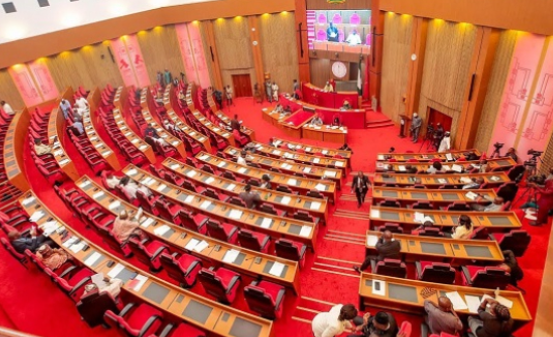
The decision was reached on Thursday during plenary after Senate Leader Opeyemi Bamidele moved a motion calling for the withdrawal of the amendment introduced earlier in the week.
According to Bamidele, further legislative and constitutional examination of the revised provisions revealed possible inconsistencies that could trigger avoidable tensions within the Senate.
The session was presided over by Deputy Senate President Jibrin Barau, who supervised the adoption of the resolution by lawmakers.
Before the reversal, the Senate had altered portions of its Standing Orders, specifically Section 2, Subsection 2, and Section 3, Subsection 1.
The amendment stated that only senators-elect who had taken the oath contained in the Seventh Schedule of the Constitution would be eligible to participate in Senate activities, including voting during the election of the Senate President and Deputy Senate President.
The earlier amendment had generated debate among lawmakers, with some senators expressing concerns over its implications for legislative participation and leadership contests in the chamber.
Tension resurfaced during plenary when Senator Adams Oshiomhole raised a point of order in an attempt to clarify remarks he had made during the previous sitting.
His comments had earlier sparked disagreement between him and the Senate President, following his insistence that lawmakers should not be restricted from expressing opinions on issues brought before the Senate.
However, Deputy Senate President Barau ruled Oshiomhole out of order, maintaining that the matter had already been settled and required no further debate on the floor of the chamber.
Bamidele also referred to Senate procedures, stressing that any senator seeking to revisit the issue must do so through a substantive motion in line with parliamentary rules.
The Senate leader further cautioned Oshiomhole against what he described as unnecessary “drama” during proceedings, referencing exchanges that occurred in the chamber a day earlier.
The development marks a swift reversal by the Senate after public attention focused on the implications of the amended rules, particularly regarding participation in leadership elections within the National Assembly.