Nigeria has urged global stakeholders to adopt artificial intelligence policies that are inclusive, human-centred, and protective of workers’ rights, even as countries harness the technology for economic growth and innovation.
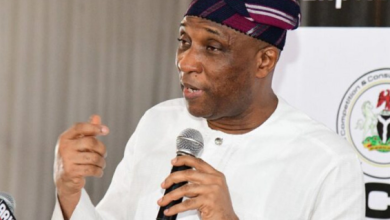
The Minister of Labour and Employment, Dr. Muhammad Maigari Dingyadi, made the appeal while speaking at the 114th Session of the International Labour Conference in Geneva, Switzerland.
He delivered Nigeria’s position during discussions on a report by the International Labour Organization (ILO) leadership titled “A Moment of Choice: Harnessing Artificial Intelligence for Decent Work.”
Dingyadi praised the ILO for its continued efforts in advancing decent work globally, noting that rapid advances in artificial intelligence are already reshaping employment structures, workplace systems, and labour relations across many countries.
He acknowledged that AI brings opportunities such as higher productivity, innovation, and economic expansion, but warned that it also introduces risks including job losses, growing inequality, and reduced reliance on human labour in some sectors.
According to him, governments must strike a careful balance between innovation and protection of workers. He stressed that while AI-driven systems can create new job opportunities, they may also displace existing roles and alter traditional workplace dynamics.
The minister said Nigeria supports policies that ensure technological progress does not undermine decent work or social stability.
He also highlighted Nigeria’s ongoing digital transformation efforts, including reforms aimed at improving public service delivery through automation and emerging technologies.
He noted that the establishment of the Ministry of Communications, Innovation and Digital Economy has helped drive the country’s digital agenda and strengthen its innovation ecosystem.
Dingyadi added that artificial intelligence is already being integrated into parts of Nigeria’s public service operations, with increased automation of administrative processes and improved digital communication across government institutions.
He also pointed out that platform-based work and the gig economy are expanding within the country, reflecting broader global labour trends.
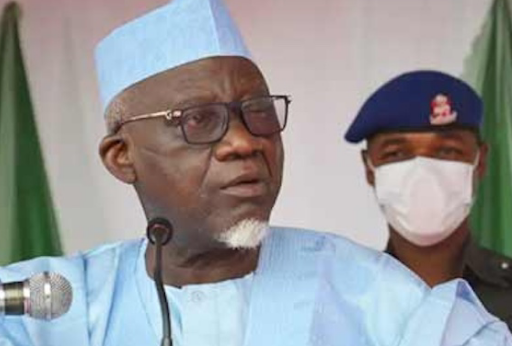
In a related comment, the Director-General of the Nigeria Social Insurance Trust Fund (NSITF), Barrister Oluwaseun Faleye, described Nigeria’s position on artificial intelligence as practical and well thought out.
He said the country’s approach reflects current realities in the labour market.
Faleye noted that issues such as gig work, platform employment, and AI-driven workplace changes require urgent attention from policymakers.
He emphasised that understanding these developments is key to designing effective protections and support systems for workers.
He added that AI is now an unavoidable part of modern work systems, and governments must focus on managing its impact rather than resisting its adoption.