Hezbollah has turned down a new U.S.-supported ceasefire proposal aimed at easing tensions between Israel and Lebanon, describing it as unfair and tilted in Israel’s favour.
The group’s leader, Naim Qassem, said the draft agreement brokered during recent talks in Washington amounted to political pressure on Lebanon rather than a balanced peace deal.
He argued that its conditions, including the withdrawal of Hezbollah fighters from southern Lebanon and restrictions on its military presence, were unacceptable and widely opposed within Lebanon.
The proposal reportedly included plans to create pilot security zones in southern Lebanon where only the Lebanese Armed Forces would operate, effectively excluding armed non-state groups like Hezbollah.
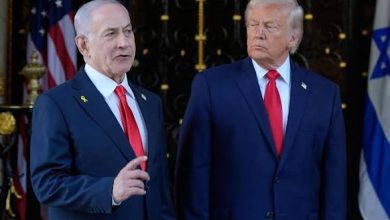
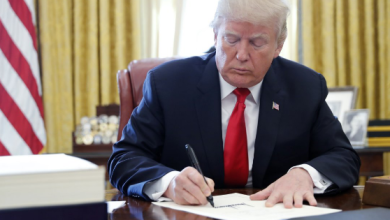
U.S. President Donald Trump expressed cautious optimism about the negotiations, saying discussions with both sides were ongoing and suggesting that progress toward reducing hostilities was possible.
However, Hezbollah dismissed the talks as ineffective.
Qassem said any arrangement requiring unilateral restraint from his group while Israeli operations continue would only serve Israeli strategic interests and weaken Lebanon’s sovereignty.
Reactions in southern Beirut reflected similar skepticism. Some residents questioned how a ceasefire could hold if fighting continued on the ground, with critics describing the plan as one-sided rather than a genuine peace agreement.
Under the proposed framework, Hezbollah would be required to pull back from areas between the Israeli border and the Litani River, while Israeli forces currently remain active in parts of the region.
The United States would help establish controlled zones where only the Lebanese army would maintain authority.
Despite diplomatic efforts, violence has continued. Israeli strikes have reportedly hit multiple locations in southern and eastern Lebanon, with casualties recorded in several towns.
UN peacekeepers have also been caught in the crossfire, with one reported killed during recent shelling near Marjayoun.
The conflict escalated earlier this year following rocket fire from Hezbollah and subsequent Israeli air and ground operations.
Since then, repeated attempts at brokering a lasting ceasefire have failed, even as the humanitarian toll continues to rise, with thousands killed and over a million people displaced, according to Lebanese authorities and UN figures.
Both sides remain entrenched, and while talks are expected to continue later this month, the prospects for a durable settlement remain uncertain.