A fresh wave of military escalation between Iran and the United States erupted over the weekend, shattering already fragile ceasefire efforts and pushing the region closer to wider conflict.
Iran launched drone and missile strikes targeting Bahrain and Kuwait following renewed U.S. attacks on southern Iranian sites.
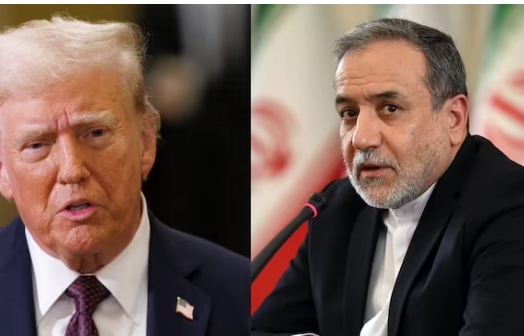
The developments triggered new warnings from U.S. President Donald Trump, who said negotiations could be abandoned and warned that Iran “will no longer exist” if attacks continue.
Kuwait, which hosts a major American military base, reported it intercepted two ballistic missiles with no casualties or damage. In Bahrain, authorities confirmed a residential building near the airport was damaged, though no fatalities were reported.
Qatar also confirmed a civilian death and one injury after shrapnel from nearby military activity struck a boat at sea. The vessel had gone missing before being located on Sunday.
The violence is linked to growing disputes over control and access to the Strait of Hormuz, a vital global energy route. Before the conflict, nearly one-fifth of global oil and gas shipments passed through the waterway.
The U.S. military said its recent strikes were retaliation for Iranian attacks on commercial shipping and targeted surveillance systems, drone facilities, air defenses, and mine-laying infrastructure.
Washington has pushed for an alternative southern shipping lane near Oman, while Tehran insists on maintaining authority over routing through its territorial waters and controlling transit arrangements.
Hundreds of vessels remained trapped in the Gulf after the strait’s partial closure since the outbreak of conflict.
Some ships have recently attempted passage, helping ease global oil prices closer to pre-war levels.
However, U.S. officials accused Iran of violating ceasefire terms after an attack on a Panama-flagged tanker linked to Qatar’s state energy supply.
Iranian Foreign Minister Abbas Araghchi reiterated that any external control over the strait would escalate tensions and delay reopening efforts.
He called for a regional security system excluding outside powers, including the United States.
During talks in Iraq, he insisted that Gulf nations should manage security independently without foreign intervention.
Mediators from Qatar and Pakistan have facilitated indirect discussions between Washington and Tehran in Switzerland, but key disagreements remain unresolved—particularly over sanctions relief, nuclear policy, and maritime control.
Despite diplomatic engagement, both sides continue to issue warnings. Iran’s Islamic Revolutionary Guard Corps (IRGC) claimed responsibility for the latest attacks, saying violations of the ceasefire would halt all ongoing processes.
The group also warned that U.S. bases in the region could face severe retaliation.
For now, both Washington and Tehran said they remain committed to avoiding full-scale war, but the latest exchanges suggest that commitment is growing increasingly fragile.