President Bola Tinubu has called for stronger engineering regulation, improved enforcement and fair but firm sanctions to protect lives and ensure that infrastructure projects across Nigeria meet acceptable safety standards.
Tinubu made the call while declaring open the 34th Engineering Assembly of the Council for the Regulation of Engineering in Nigeria (COREN) on Tuesday in Abuja.
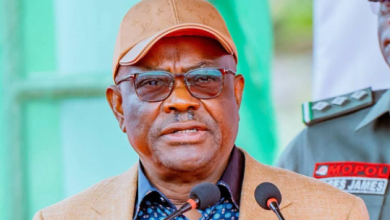
Represented by the Minister of Works, David Umahi, the President said engineering regulation must move beyond responding to failures and embrace a preventive, data-driven approach focused on public safety.
Speaking on the theme, “Advancing Public Safety in Nigeria through Strategic Engineering Regulation, Enforcement and a Tiered Sanction Regime,” Tinubu stressed that engineering goes beyond constructing roads, bridges, buildings and other facilities, as it directly affects the daily safety of Nigerians.
He noted that engineering failures can lead to loss of lives, destruction of investments and declining public confidence, insisting that safety must remain the foundation of every engineering decision.
“Regulation should not be seen as punishment. Regulation is protection,” Tinubu said, describing COREN as a critical public safety institution responsible for ensuring professionalism and protecting citizens from substandard engineering practices.
The President said effective regulation should cover every stage of infrastructure development, including planning, design, construction, supervision, maintenance and eventual decommissioning.
He added that his administration was committed to delivering durable infrastructure, noting that ongoing road projects were being designed with longer life spans compared with previous practices where many roads deteriorated within a few years.
Tinubu maintained that Nigeria needs a balanced framework combining strict regulation, effective enforcement and proportionate penalties to encourage engineering excellence while protecting the public.
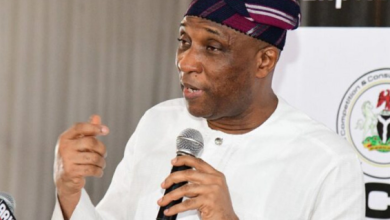
In his remarks, COREN President, Professor Zubair Abubakar, said the Assembly’s theme reflected the council’s responsibility to safeguard Nigerians through effective regulation of engineering practice.
Abubakar highlighted some of COREN’s recent efforts, including improving engineering education standards through collaboration with relevant agencies, strengthening inspections of infrastructure projects and industrial facilities, expanding digital registration systems and enhancing professional development for engineers.
He also disclosed that the council had intensified efforts to develop engineering codes and standards, strengthen international partnerships and introduce risk-based regulation aimed at identifying potential failures before they occur.
However, he identified challenges such as quackery, weak compliance with engineering standards, inadequate enforcement, deteriorating infrastructure and rapid technological changes as major obstacles affecting the sector.
The COREN president urged stakeholders to adopt predictive and preventive engineering practices through stronger monitoring, ethical conduct, technology-based systems and improved collaboration among regulators and industry players.
Also speaking at the event, President of the Dangote Group, Aliko Dangote, described engineering as a public trust that plays a major role in ensuring safety, economic growth and investor confidence.
Represented by the company’s Chief Economist, Prof. Hassan Mahmoud, Dangote said effective engineering regulation was essential as Nigeria seeks to close its infrastructure gap and strengthen its position in the African Continental Free Trade Area.
He argued that good regulation encourages investment by assuring businesses that infrastructure standards are reliable and risks are properly managed.
Dangote called for transparent and balanced sanctions that separate minor administrative mistakes from professional negligence and deliberate misconduct, while maintaining strict measures against repeated violations that threaten human lives.
He also urged regulators to address deeper institutional problems, including poor procurement practices, political interference and disregard for professional expertise, saying sustainable engineering safety requires tackling the causes of failures rather than only punishing offenders.