Iran has declared that the strategic Strait of Hormuz will remain closed until the United States halts what it describes as continued military aggression, escalating tensions in a conflict that is already disrupting global energy supplies and raising fears of wider instability across the Middle East.
The warning came from Iran’s Islamic Revolutionary Guard Corps (IRGC), which insisted that the waterway would not be reopened unless Washington ends its military operations against Iranian territory.
The Guards also warned that additional oil and gas export routes serving the interests of the United States and its allies could face similar action if hostilities continue.
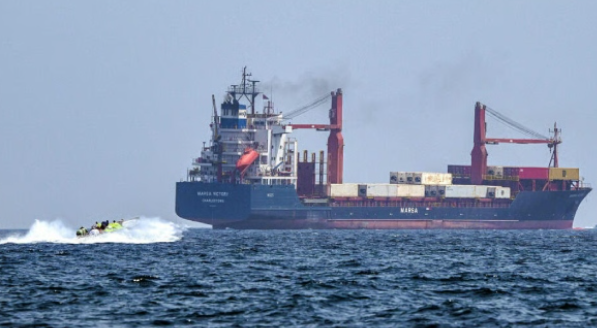
The Strait of Hormuz is regarded as one of the world’s most critical maritime trade routes, with a significant share of global crude oil and liquefied natural gas shipments passing through the narrow channel each day.
Its closure has intensified concerns over international energy security, sending oil prices sharply higher and increasing pressure on global markets.
The latest developments follow renewed military exchanges between both countries.
The United States reportedly carried out fresh strikes on Iranian military installations near the Gulf, saying the operations were aimed at reducing Tehran’s ability to threaten commercial shipping.
In response, Iran claimed responsibility for attacks on American military facilities in Bahrain and Kuwait, while also launching drone and missile operations targeting regional bases hosting U.S. forces.
Iran maintained that the continued closure of the waterway was a direct response to American military actions, arguing that energy exports from the Gulf should not benefit only selected countries during the ongoing conflict.
Meanwhile, Washington has dismissed Tehran’s claims of controlling international navigation through the Strait, insisting that global shipping lanes must remain open under international law.
U.S. officials also accused Iran of endangering civilian vessels and commercial crews operating in the Gulf.
The confrontation has further weakened diplomatic efforts to restore peace after previous negotiations failed to produce a lasting ceasefire. Iranian officials argued that renewed American military operations had undermined earlier agreements aimed at reducing hostilities.
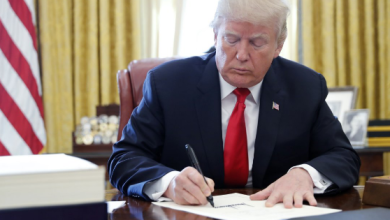
U.S. President Donald Trump warned that additional military action could follow if Iran refuses to return to negotiations, while also abandoning a previously proposed levy on vessels using the Strait of Hormuz in favour of expanded trade and investment agreements with Gulf partners.
Regional tensions remain high as neighbouring countries strengthen security measures amid fears that the conflict could spread beyond the Gulf, threatening global trade, energy supplies and economic stability.