The dream of a united Africa founded on solidarity, free movement, and mutual respect is facing a major test as concerns over attacks against African migrants in South Africa continue to grow.
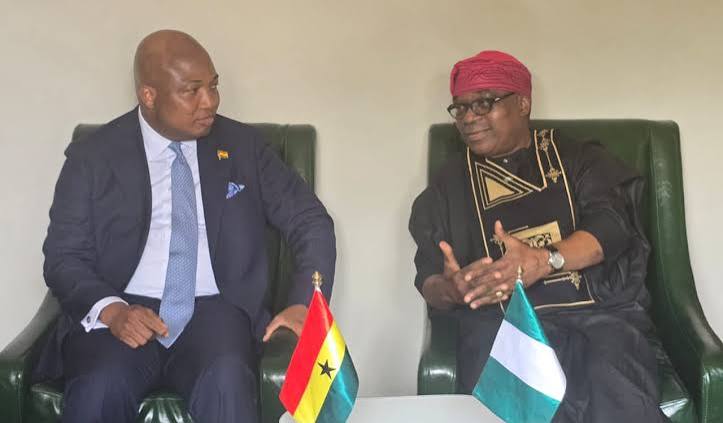
Nigeria and Ghana have repeatedly raised concerns before the African Union (AU), urging stronger continental action to address what they describe as Afrophobia — discrimination, hostility, and violence directed at Africans because of their nationality or country of origin.
Afrophobia, though often linked with xenophobia, is seen by analysts as a specific form of prejudice targeting fellow Africans.
The development has sparked debate across the continent, with critics warning that such hostility threatens the principles of Pan-Africanism and African integration.
Over the years, South Africa has witnessed several waves of violence involving foreign African nationals, with citizens from countries including Nigeria, Ghana, Zimbabwe, Mozambique, Somalia, and Ethiopia among those affected.
Migrant-owned businesses have been attacked, properties destroyed, and lives lost, creating diplomatic tensions between South Africa and other African nations.
Nigeria has consistently condemned attacks on its citizens in South Africa. During previous outbreaks of violence, the Nigerian government evacuated affected citizens and called on South African authorities to ensure adequate protection and justice for victims.
Ghana has similarly expressed concern over the safety of its nationals and urged South Africa to take stronger measures against perpetrators of attacks.
The African Union, whose mandate includes promoting peace, unity, and cooperation among member states, has called for restraint while encouraging governments to tackle the underlying causes of hostility against migrants.
The continental body has warned that attacks on Africans by fellow Africans undermine the vision of regional integration and initiatives such as the African Continental Free Trade Area (AfCFTA).
Experts said unemployment, poverty, inequality, and competition for economic opportunities are among the major factors contributing to anti-migrant sentiments.
They also point to misinformation and political narratives that blame foreigners for challenges such as crime and job scarcity.
Some analysts argued that Afrophobia in South Africa goes beyond ordinary xenophobia, describing it as a targeted rejection of black African migrants fuelled by economic frustrations, historical experiences, and political scapegoating.
Human rights groups have condemned attacks on African migrants, calling on governments to strengthen law enforcement, prosecute offenders, promote public awareness, and encourage peaceful coexistence among communities.
Activists have also warned that hostility towards migrants damages Africa’s global image and undermines decades of efforts to promote continental unity.
They argue that political actors must not exploit public frustrations by turning migrants into scapegoats for governance failures.
For many African migrants, the crisis is deeply personal.
Thousands leave their home countries in search of education, employment, and business opportunities, only to encounter fear and uncertainty in nations they regard as part of the same African family.
The ongoing concerns have renewed questions about the meaning of the popular slogan, “Africa for Africans,” and whether the continent can truly achieve unity without protecting the rights and dignity of all Africans.
As Nigeria and Ghana continue to push for action through the AU, observers say Africa faces a defining choice: either strengthen the bonds of brotherhood that inspired the formation of the union or allow division and intolerance to weaken the vision of a united continent.