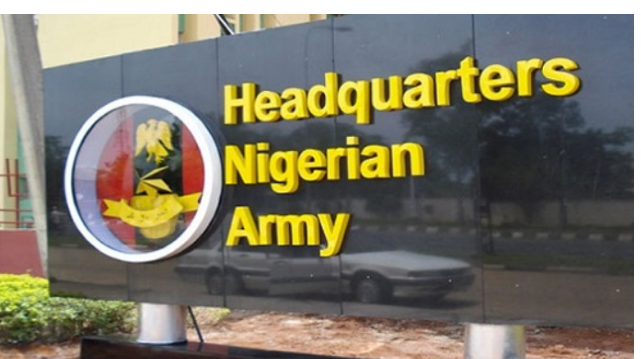
The Nigerian Army has expressed concern over what it described as persistently low enlistment figures from the South-east region, revealing a significant imbalance in nationwide recruitment applications.
According to the Army, Anambra State recorded only 117 applications out of about 38,000 submissions received across the country as of April 7, 2026.
Brigadier-General Uche Nnabuihe, who led a military delegation to Awka, Anambra State, said the visit was part of a broader sensitisation campaign aimed at encouraging more youths from the South-east to join the ongoing 91 Regular Recruits Intake exercise, which closes on May 27, 2026.
He noted that the Army found the disparity concerning and is working to ensure more equitable participation from all regions.
“We observed with concern that out of 38,000 applications received nationwide, only 117 came from Anambra as of April 7.
“This sensitisation is to correct that imbalance and encourage our youths to take advantage of opportunities in the Nigerian Army, ” he said.
He urged qualified young people in the state to apply, stressing that military service offers a structured career path, discipline, and the opportunity to contribute to national security.
During the engagement, Lt. Col. Ogbemudia Osawe highlighted improvements in military training infrastructure, noting that new facilities have been established in Abakaliki and Osogbo to accommodate recruits.
He explained that enlistment into the Army comes with several benefits, including career advancement, regular salaries, continuous professional military education, specialised training, and exposure to different cultures through deployments.
Osawe also pointed to welfare provisions for personnel, such as free medical care for soldiers and their families, pension and gratuity entitlements, and opportunities for international assignments.
In response, the Permanent Secretary of the Anambra State Ministry of Youths, Ifeatu Emodi, welcomed the Army’s outreach initiative and described military service as an important avenue for youth empowerment in the region.
He attributed the low participation rate to widespread misconceptions and misinformation about the Nigerian Army, adding that such engagement programmes could help correct public perception.
Similarly, the traditional ruler of Enugwu-Agidi, Igwe Michael Okeke-Uche, commended the Army’s welfare structure and encouraged young people in the region to consider enlistment, noting that increased participation would improve representation of the South-east in the armed forces.