Asian markets retreated on Thursday while oil prices climbed sharply, as tensions between United States and Iran showed no signs of easing and prospects for renewed peace talks faded.
Investors reacted cautiously after hopes for a second round of negotiations reportedly collapsed, with Tehran maintaining its refusal to reopen the strategically vital Strait of Hormuz.
The latest developments follow a series of incidents in the waterway, where Iranian forces reportedly targeted three container ships, escalating already heightened geopolitical tensions.
Tehran has justified its stance by pointing to what it describes as a continuing U.S. naval blockade.
Crude oil prices surged by as much as four per cent in early Asian trading after global security monitors and Iran’s Revolutionary Guards reported the seizure of two vessels and gunfire directed at a third in the Strait.
Iran has since stated that all vessels must seek clearance before entering or leaving the Gulf through the route, which typically accounts for a significant share of global oil and gas shipments.
However, officials in Washington downplayed the incidents, noting that the affected vessels were neither American nor Israeli, and therefore did not constitute a breach of the ceasefire.
Iran’s parliament speaker, Mohammad Bagher Ghalibaf, insisted that the Strait would remain closed under current conditions.
“A complete ceasefire only has meaning if it is not violated through a naval blockade… Reopening the Strait of Hormuz is not possible amid a blatant violation of the ceasefire,” he said.
Meanwhile, remarks from the administration of Donald Trump suggested there is no fixed timeline for renewed negotiations.
White House Press Secretary Karoline Leavitt told reporters that the decision on timing “will be dictated by the commander in chief.”
Despite earlier optimism in financial markets driven by expectations of a diplomatic breakthrough and strong corporate earnings sentiment turned cautious as the geopolitical standoff persisted.
Major equity markets across Asia, including Tokyo, Hong Kong, Shanghai, Sydney, Singapore, and Wellington, all recorded losses. In contrast, Seoul bucked the trend, rising more than one per cent to a record high, supported by continued strength in the technology sector.
Analysts said markets may be underestimating the longer-term risks posed by the disruption.
“It is questionable whether financial markets are correctly pricing the reality that supply constraints will remain an issue for some time,” said Skye Masters of National Australia Bank, referencing reports that clearing the Strait could take months.
Raphael Olszyna-Marzys of Bank J. Safra Sarasin added that while markets are betting on a quick resolution, there remains a risk of further escalation if either side misreads the other’s intentions.
Even so, some investor confidence has been sustained by robust earnings reports.
South Korean chipmaker SK hynix posted a record surge in quarterly profits, driven by demand linked to artificial intelligence, while U.S. firms including Tesla and Texas Instruments also reported strong outlooks.
Data compiled by Bloomberg indicated that nearly 80 per cent of companies in the S&P 500 that have released first-quarter earnings so far have exceeded analysts’ expectations.
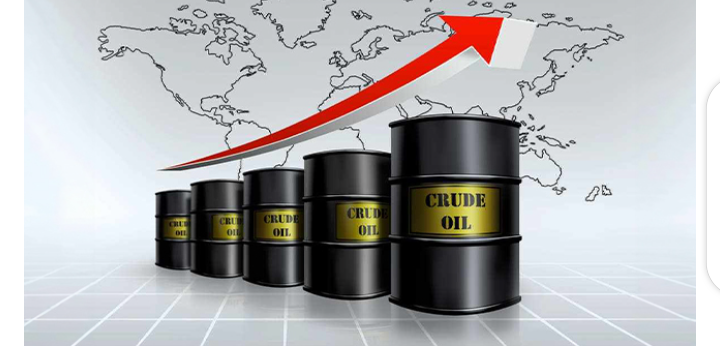
Oil prices remained elevated despite paring earlier gains, with Brent crude holding above the $100 mark, underscoring ongoing concerns about supply disruptions linked to the geopolitical crisis.