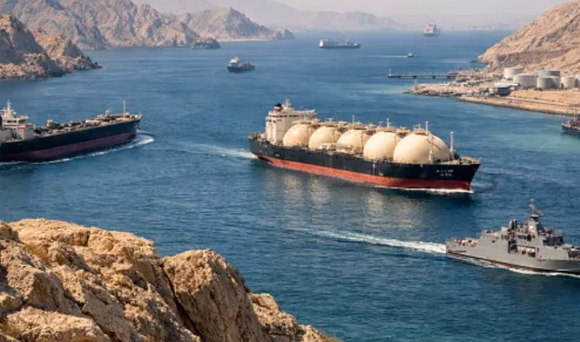
Only five vessels, including an Iranian oil products tanker, passed through the Strait of Hormuz within a 24-hour period on Friday, according to shipping data, signalling a sharp decline in activity across one of the world’s most critical energy routes.
The sudden slowdown comes amid rising geopolitical tensions in the Gulf region, following a series of security-related incidents that have heightened concerns among maritime operators and energy markets.
Earlier in the week, Iran reportedly seized two container ships, an action that triggered fears of possible retaliation and further disruption to shipping in the area.
The developments have added to already strained relations in the region.
The United States has also maintained sanctions and restrictions affecting Iranian port access, further complicating maritime operations and increasing uncertainty for international shipping companies.
Before the recent escalation, the Strait of Hormuz typically recorded about 140 vessel transits daily. .
The sharp drop to just a handful of movements underscores growing caution among global carriers.
The strait is a vital global trade artery, handling roughly one-fifth of the world’s oil shipments.
Any disruption in its operations therefore carries significant implications for global energy supply and pricing.
In response to heightened risks, several shipping firms are either rerouting vessels or delaying voyages altogether, citing concerns over possible interception, inspection, or detention while transiting the waterway.
Insurance costs have also reportedly surged, with war-risk premiums increasing for vessels entering the region.
This has raised operational expenses and further discouraged traffic through the corridor.
Market analysts caution that a sustained decline in activity could disrupt global energy supply chains, particularly crude oil and liquefied natural gas exports from Gulf producers.
Even short-term interruptions, they warn, are capable of triggering volatility in oil prices and freight markets.
Despite reassurances from some regional stakeholders, confidence in the safety of the route remains fragile.
Shipping companies say they are awaiting clearer diplomatic signals and verifiable security guarantees before returning to normal transit levels.
Alternative shipping routes are limited and less efficient.
Diversions around the Arabian Peninsula significantly increase travel time and cost, while smaller passages near Iran and Oman are considered unsuitable for large commercial vessels, especially oil tankers.
Diplomatic observers said the latest developments highlight the Strait of Hormuz’s continued vulnerability as a strategic pressure point in global trade, where even minor geopolitical tensions can quickly translate into major disruptions in maritime activity.