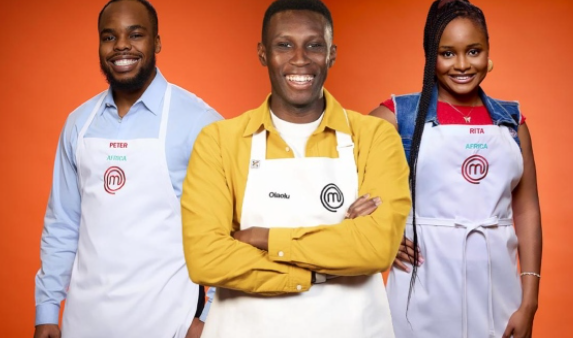
From kitchens in Lagos to television screens in New York and Sydney, Nigerian chefs are gaining international recognition by blending culture, tradition and creativity into world-class cuisine.
Across major editions of the popular cooking competition MasterChef, contestants of Nigerian heritage are emerging as standout performers, proudly showcasing the country’s rich culinary identity before global audiences.
This season, three Nigerian chefs, Rita Igbinoba, Peter Egede and Olaoluwa Olorunnimbe, are drawing attention for their bold flavours and innovative interpretations of traditional Nigerian dishes.
While the maiden edition of MasterChef Nigeria continued to build excitement at home, Nigerian talents abroad were becoming fan favourites in some of the world’s biggest culinary competitions.
In the United States, Igbinoba and Egede are competing on the 16th season of MasterChef on Fox under the “Team Africa” category, while Olorunnimbe has secured a place among the top 24 contestants on MasterChef Australia.
The U.S. edition of the show adopted a World Cup-inspired format this season, dividing contestants into regional teams representing Africa, Europe, Asia-Pacific and the Americas.
Contestants are required to earn white aprons to qualify for the main competition, where a $250,000 prize and the MasterChef title are at stake.
Brooklyn-based Rita Igbinoba, who hails from Benin City, captivated judges during her audition with a creative fusion meal Jollof Risotto paired with suya-spiced steak and broccolini.
Her dish combined the smoky flavour of Nigerian jollof rice with the creamy texture of Italian risotto, while the steak was marinated in homemade suya spice made from peanuts, cayenne pepper, garlic, onion and smoked paprika.
The presentation earned her a coveted white apron and a place in the “Global Gauntlet” stage of the competition.
“It’s a no to the risotto, but it’s a yes to the apron, if you stick to your roots,” judge Joe Bastianich told her during the audition.
Reacting after her qualification, the 24-year-old chef expressed excitement and confidence in her abilities.
“I’m so happy that they actually saw the vision in me and the vision of the food,” she said.
“I have spice, I have boldness, I have everything that they need. And that’s why I’m Team Africa.”
For 29-year-old Peter Egede, inspiration came directly from the vibrant street food culture of northern Nigeria.
The Dallas-based former banking consultant prepared a Suya-spiced duck breast served with parsnip and onion purée, tomato chutney and tamarind jus.
“This is representing Nigerian culture, specifically Northern Nigeria, where a lot of suya comes from,” Egede explained to the judges.
Although the judges offered tough criticism during the tasting session, his dish eventually secured him a white apron and a spot in the competition representing Africa.
Meanwhile in Australia, Lagos-born Olaoluwa Olorunnimbe is also turning heads with his inventive approach to Nigerian cuisine.
The 34-year-old contestant qualified for MasterChef Australia with a plate of ofada stew served alongside rice, plantain, coconut and carrot sambal.
His dish featured tripe, offal and fiery Scotch bonnet peppers, helping him secure a place among the 24 finalists competing for Australia’s MasterChef crown and a $250,000 grand prize.
Olorunnimbe described his journey into the competition as unexpected and emotional.
“Getting to the MasterChef Australia auditions felt like a long shot. Getting an apron feels like a miracle.
“Looking forward to putting this bad boy on every day and seeing how far I can go. It takes a village to raise a wannabe chef. I’m incredibly grateful for mine, ” he said.
Beyond the competition, the Nigerian chef revealed dreams of building food trucks, restaurants and food products inspired by African flavours.
As the competitions continue across different continents, the three chefs are increasingly being celebrated as ambassadors of Nigerian cuisine and culture.
Whether through jollof-inspired risotto, suya-seasoned delicacies or reinvented local stews, they are introducing global audiences to the bold flavours and rich traditions of Nigerian cooking.
Their growing success reflects the rising influence of African gastronomy on the international culinary stage and reinforces the message that Nigerian cuisine is steadily earning its place among the world’s most celebrated food cultures.