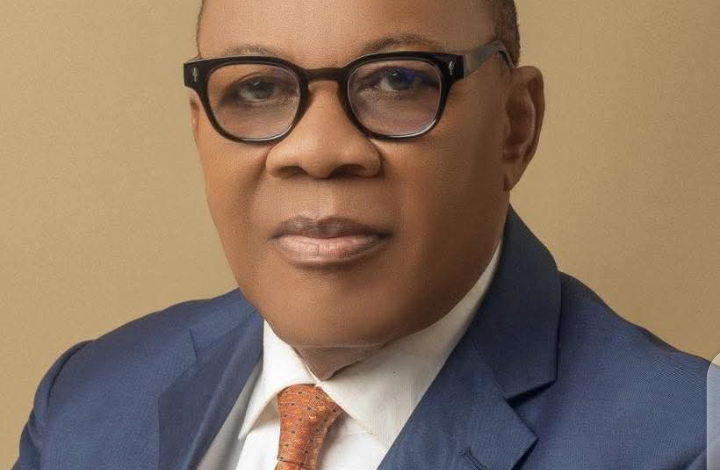
Senior Advocate of Nigeria, Dr. Olisa Agbakoba, has raised concern over what he described as large-scale leakages in Nigeria’s Federation Account, alleging that about N20 trillion may be unaccounted for within the country’s public revenue system.
Agbakoba, in a policy paper on public finance accountability, questioned how revenues generated on behalf of the federation are collected, managed and shared among the three tiers of government in line with Section 162 of the 1999 Constitution.
He explained that all federally collected revenues, including proceeds from oil, customs duties, taxes and regulatory fees, are expected to be paid into the Federation Account before distribution to the federal, state and local governments.
However, he alleged that significant deductions are made from these revenues before they reach the account, reducing what is available for sharing.
Citing external data sources, he claimed that in 2025 alone, about N14.94 trillion was deducted from federation revenues prior to remittance, representing a substantial portion of national earnings.
He also referenced reports suggesting under-remittance by the Nigerian National Petroleum Company Limited (NNPCL), including a shortfall of about N500 billion in 2024 when compared with expected transfers.
Agbakoba further pointed to earlier allegations of revenue discrepancies spanning several years, which he said, if confirmed, could amount to trillions of naira.
He expressed concern over Nigeria’s debt profile, citing figures from the Debt Management Office showing public debt at about N159.27 trillion as of 2025.
According to him, debt servicing has consumed a significant share of federal revenue in recent years, leaving limited resources for infrastructure, education, healthcare and security.
He argued that Nigeria is increasingly borrowing to fund basic government functions that should be financed through properly collected domestic revenue.
The senior advocate criticised gaps in the Federation Account system, arguing that there are insufficient safeguards on remittance timing, auditing and transparency.
He alleged that some revenue-generating agencies retain portions of funds as operational costs or operate parallel accounts outside official channels.
Agbakoba also referenced past legislative findings that raised concerns about unauthorised accounts and incomplete visibility of government finances, even after the introduction of the Treasury Single Account (TSA).
While acknowledging the TSA as a reform effort introduced in 2015, he argued that it remained an executive policy and does not fully address constitutional gaps in revenue collection and remittance.
He maintained that the system still allows leakages before funds reach the Federation Account.
Agbakoba said his recommendations were contained in a policy document titled “Where Is Our Money? Nigeria’s Federation Account Crisis and the Case for Reform,” where he calls for stronger accountability mechanisms and clearer legal safeguards.
He urged Nigerians to demand greater transparency in public finance management, particularly in how national revenues are collected, retained and shared.