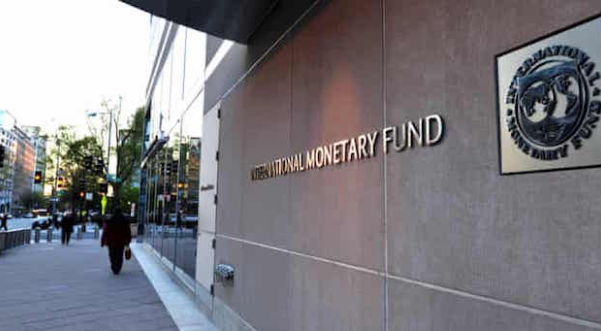
A new International Monetary Fund (IMF) blog post has said Nigeria and other Sub-Saharan African countries continue to lag behind other developing regions in governance quality, business regulation, and market openness.
The report noted that the gaps were particularly wide in fragile and conflict-affected states as well as oil-exporting economies, although it stressed that the challenges are not permanent.
It cited Rwanda and the Benin Republic as examples of countries that have reduced bureaucratic bottlenecks and adopted digital tools to improve the ease of doing business.
According to the IMF, reforming state-owned enterprises especially in the energy and transport sectors remains a critical priority. It explained that when tariffs remain below cost-recovery levels, cash flow becomes weak, maintenance is delayed, and investment stalls.
“The result is a familiar tax on growth: unreliable and expensive services for firms and households,” the report stated, adding that successful reforms require stakeholder mapping, cost-reflective pricing, clear social objectives, and transparency on the use of savings.
The IMF warned that at current growth rates, per capita income in Sub-Saharan Africa would take about 50 years to double.
Drawing from its latest Regional Economic Outlook for Sub-Saharan Africa, the Fund said well-designed structural reforms in governance, regulation, and market openness could increase output by about 20 per cent within a decade.
It stressed that reforms were not an end in themselves but a means of shifting economies from state-driven growth models to systems powered more by private investment, productivity, and job creation.
The report acknowledged stronger performance in countries such as Benin, Côte d’Ivoire, Ethiopia, Rwanda, and Uganda, but said overall regional growth remains insufficient for meaningful income convergence.
It added that over the past three years, real GDP per capita growth in the region averaged about 1.4 per cent annually, compared with 3.4 per cent in other emerging and developing economies.
The IMF further observed that previous growth spurts driven largely by commodity booms or public investment were not sustained, as they failed to stimulate long-term private sector activity, with labour productivity remaining largely stagnant for three decades.
“The public sector-led growth model is now spent. With debt high, borrowing costly, and aid falling, the state can no longer be the main engine of growth,” it stated.
The Fund urged a stronger shift toward private investment supported by business-friendly reforms, noting that implementation remains a major challenge due to political resistance and delayed benefits.
It added that while designing reforms is important, executing them effectively is often more difficult, as vested interests and electoral cycles can slow progress.