Business
FG Denies Reports of Telecom, Fuel Taxes

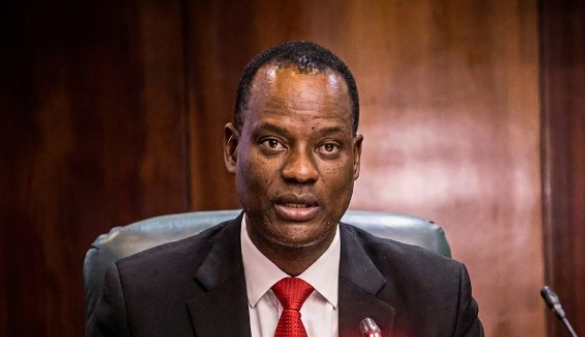
The Federal Government has dismissed claims that it is planning or has adopted new taxes on telecommunications services and petroleum products, following reactions to the International Monetary Fund (IMF) Article IV Consultation Report on Nigeria.
The clarification came amid reports suggesting that the IMF had recommended the extension of Value Added Tax (VAT) to fuel products and the introduction of excise duties on telecom services as part of efforts to boost revenue and fund development programmes.
However, a statement by Efe Ovuakporie, Head Information and Public Relations Unit, Ministry of Finance, on Wednesday, the government said the reports misrepresented the content of the IMF report and did not reflect its policy direction.
“The IMF Article IV Consultation Report contains the Fund’s assessment of Nigeria’s economy as well as recommendations for consideration by the authorities,” the statement explained.
It further stressed that such recommendations are not binding on the government and cannot be treated as official policy.
“Those recommendations do not amount to government policy and are not binding on Nigeria.
Decisions on tax matters are taken through established constitutional and legislative processes and are guided by national priorities and prevailing economic realities.”
The government also clarified that the VAT waiver on petroleum products remains in force and has not been removed.
It added that while existing laws provide for a fuel surcharge, any activation of such a measure must follow due process, including a ministerial order and publication in the Official Gazette.
“No such process is under consideration,” the statement said, adding that the current suspension has helped cushion the impact of global energy price fluctuations on households and businesses.
On telecommunications taxation, the government noted that an earlier excise duty introduced before 2023 had already been repealed under new tax legislation and is no longer applicable.
Against this backdrop, it dismissed reports suggesting fresh tax measures on telecoms or petroleum products as inaccurate and urged the public to disregard them.
“The continued suspension of these charges has helped cushion the effect of global energy price fluctuations on households and businesses while keeping domestic fuel prices relatively stable.”
The Ministry of Finance further stated that the government remains focused on reforms aimed at improving revenue collection efficiency, promoting economic growth, and creating a more investment-friendly environment.
“The emphasis remains on expanding economic activity, plugging leakages and improving efficiency rather than placing additional tax burdens on citizens,” it said.
It added that any future tax changes would be communicated through official channels and implemented strictly in line with the law.