The Association of Local Distributors of Gas (ALDG) has urged the Federal Government and stakeholders in Nigeria’s energy sector to move beyond discussions and take practical steps to make cooking gas more affordable and accessible.
The appeal was made at the second edition of the ALDG Business Forum held at the Petroleum Technology Development Fund (PTDF) building in Abuja.
The event brought together regulators, investors, and industry operators.
Stakeholders noted that despite Nigeria’s estimated 215 trillion cubic feet of proven natural gas reserves—the largest in Africa—many citizens still struggle to access affordable cooking gas.
They said the wide gap between gas availability and domestic access remains a major challenge, especially in rural and underserved communities.
Participants stressed that having large reserves is not enough without effective infrastructure and distribution systems.
A key concern raised was the need to expand pipelines, storage facilities, transportation networks, and downstream distribution channels across the country.
They also called for the development of gas aggregation hubs to improve supply efficiency and reach more households.
Stakeholders warned that without strong infrastructure investment, Nigeria would continue to underutilise its gas potential.
The forum emphasised the need for stable and investor-friendly policies to attract long-term private sector funding into the gas value chain.
Investors, they said, required regulatory certainty and consistent government policies to commit large-scale capital to gas projects.
Development Finance Institutions (DFIs) were also urged to play a stronger role in financing gas infrastructure.
Participants recommended long-term, low-interest naira-denominated loans to support project sustainability and reduce investment risks.
ALDG Chairman, Kehinde Alabi, said Nigeria must move from potential to performance in its gas sector.
He said the country already has resources and policy frameworks but now needs “ruthless execution” to deliver results.
Alabi stressed that the entire gas value chain, from production to household delivery, must function efficiently to achieve meaningful impact.
Government representatives at the forum acknowledged the investment opportunities in the gas sector but noted that confidence in regulation and infrastructure remains crucial.
They called for stronger collaboration between government and industry players to unlock sector growth.
The National Assembly also pledged support for reforms aimed at expanding gas access and improving investment conditions.
Lawmakers said they were ready to strengthen legislation, oversight, and accountability within the sector.
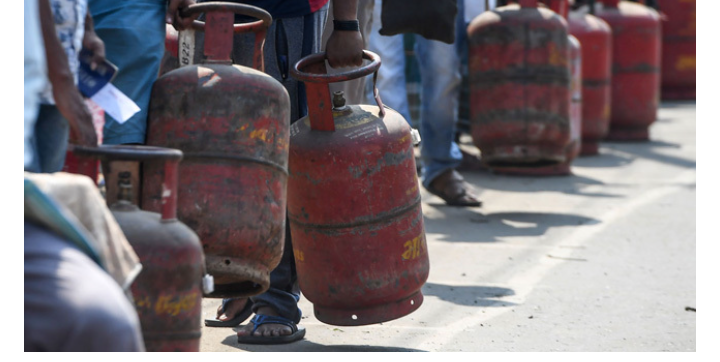
The forum took place amid rising cooking gas prices and growing public concern over affordability.
Authorities recently convened emergency meetings involving security and regulatory agencies to address alleged gas hoarding and supply diversion.
Regulators said coordinated efforts were underway to stabilise the LPG market, improve supply chains, and curb illegal activities affecting prices.
Stakeholders concluded that Nigeria’s gas challenges require urgent action, not just policy discussions, to ensure citizens benefit from the country’s vast energy resources.