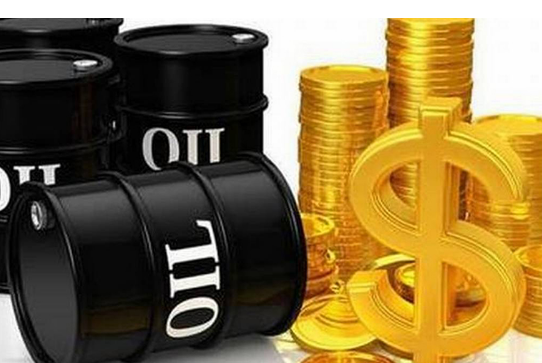
Nigeria is facing a fresh fiscal challenge in the third quarter (Q3) of 2026 as crude oil prices dip below $80 per barrel, raising concerns over budget stability and broader economic fragility.
The Society of Energy Editors (SEE) warned in its Q3 2026 Energy & Extractives Outlook that oil prices below $80 represent a “stress test” for Nigeria’s economy, given its heavy reliance on crude revenues.
According to the report, if the trend persists, petrol pump prices could fluctuate between N750 and N850 per litre depending on exchange rates, despite improvements in domestic refining capacity from facilities such as the Dangote Refinery and the rehabilitated Port Harcourt refinery.
The report described the global oil market as a “Tehran-Tel Aviv Paradox,” noting that geopolitical tensions have temporarily supported prices but remain unstable.
It warned that Nigeria’s downstream sector is facing a contradiction where increased local refining has not yet translated into stable or lower pump prices, describing it as “operational autonomy without price freedom.”
On production, SEE projected that Nigeria could sustain about 1.75 million barrels per day if security improves, but cautioned that gains may be limited by declining investment in mature oil basins and rising financing costs.
The report also highlighted a growing “security-investment doom loop,” where falling oil revenues could reduce funding for security operations, potentially worsening pipeline vandalism and crude theft.
Despite the risks, SEE said the situation remains manageable if treated as a structural shift rather than a temporary shock, urging policymakers to strengthen long-term economic and energy reforms.