The Independent Petroleum Marketers Association of Nigeria (IPMAN) has identified unstable petroleum product prices as the biggest challenge confronting fuel marketers, despite the continued availability of petrol and other products across the country.
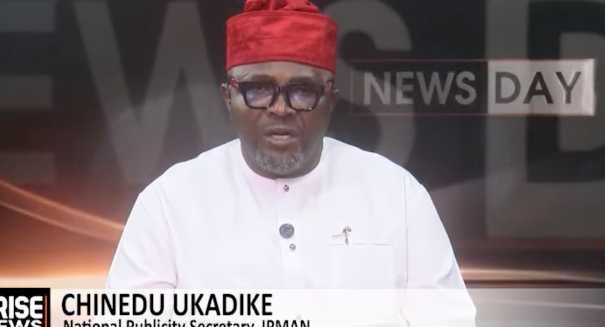
IPMAN National Publicity Secretary, Chinedu Ukadike, said the frequent changes in pump prices had disrupted business operations, affected consumer confidence and created uncertainty within the downstream petroleum sector.
Speaking during an interview with ARISE News, Ukadike said marketers were struggling to maintain consistent prices because they purchase products at varying market rates.
“One of the most significant problems we are encountering is price volatility. There is no stable price of petroleum products in Nigeria,” he said.
He explained that independent marketers have no control over daily price changes because the cost of products depends on prevailing market conditions at the time of purchase.
“Whatever we are able to see every day that we want to lift petroleum products, that is the price we pay for that particular day,” he added.
According to him, constant adjustments in pump prices have made customers uncertain and weakened trust between marketers and consumers.
Ukadike acknowledged the economic pressure faced by Nigerians but stressed that petroleum marketers were also affected by rising operational costs and fluctuations in product prices.
He said marketers often rely on bank loans to finance purchases, meaning any sudden increase in fuel prices increases their financial burden.
He also noted that marketers suffer losses when prices reduce after they have already purchased products at higher rates.
“When there is a decrease in price, most of us who bought at a very high price have to find ways to cushion the effect of the losses,” he said.
On the position of the Nigerian National Petroleum Company Limited (NNPC), Ukadike said the company now operates within the same deregulated market environment as other industry players.
He explained that since the removal of subsidy and the deregulation of the downstream sector, NNPC has also faced challenges in sourcing petroleum products, either through imports or supplies from domestic refineries.
Ukadike described the Dangote Refinery as the country’s major domestic source of refined petroleum products, saying stronger cooperation between government and the facility would help improve crude supply and stabilise the market.
“Dangote is the only sole supplier of petroleum products, and most of these depots buy from Dangote,” he said.
Despite concerns over pricing, the IPMAN spokesman assured Nigerians that there was no shortage of petroleum products, stressing that supply had remained steady nationwide.
“We have been having uninterrupted supply of petroleum products, and there is no scarcity of petroleum products,” he said.
To address the financial challenges facing marketers, Ukadike proposed the establishment of a dedicated energy financing institution that would provide affordable credit to operators in the downstream sector.
He suggested the creation of a Bank of Energy where marketers could access loans at lower interest rates compared with commercial bank facilities.
According to him, such an intervention would strengthen the petroleum distribution network, reduce financial pressure on marketers and contribute to a more stable fuel market for consumers.
Ukadike maintained that improving access to affordable financing, alongside efforts to stabilise product pricing, would be crucial to achieving a sustainable downstream petroleum sector in Nigeria.