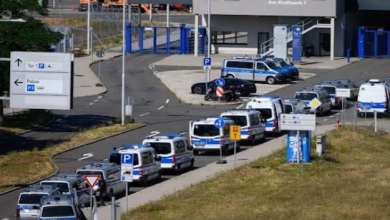
Dubai’s global air hubs, Dubai International Airport and Al Maktoum International Airport, suspended all flight operations on February 28 after Iran launched missiles in a sharp escalation of regional conflict.
The closure followed U.S. and Israeli strikes on Iran, prompting Tehran to retaliate with ballistic missiles targeting Gulf states’ infrastructure, including airports.
The airspace over much of the Middle East including the UAE, Qatar, Kuwait and Bahrain, was closed to civil traffic as safety measures.
At Dubai International, a terminal was struck and four people were injured, authorities confirmed.
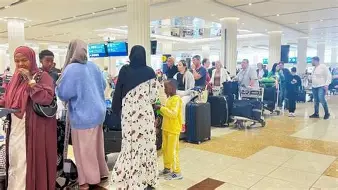
The shutdown grounded thousands of flights globally and left tens of thousands of passengers stranded as major carriers halted services to the region.
Leading carriers including Emirates, Etihad Airways and Qatar Airways halted flights in and out of Gulf hubs amid continued airspace closures.
European, Asian and African airlines also canceled or diverted services, affecting departures to and from destinations across several continents.
The disruptions rippled into wider economic sectors. Dubai and Abu Dhabi stock exchanges were temporarily halted to assess damage and investor risk.
Local authorities urged residents and travellers to avoid airports and monitor official airline updates as the situation evolves.
Officials have not yet confirmed when normal flight operations would resume, underscoring how deeply the regional conflict has affected global travel networks.