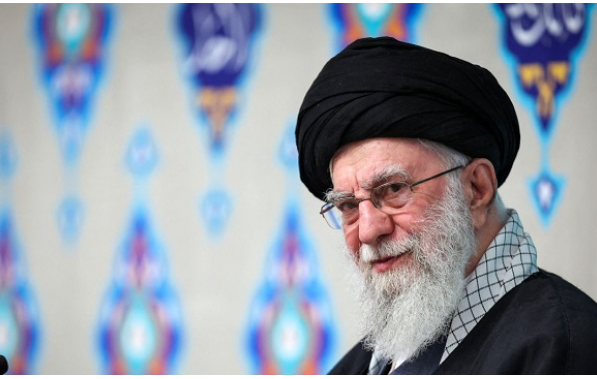
Mojtaba Khamenei, son of Iran’s late Supreme Leader Ali Khamenei, has emerged as one of the leading contenders to succeed his father as the new head of the Islamic Republic.
The leadership transition followed the death of the 86-year-old cleric in Tehran after missile strikes linked to the ongoing conflict involving Israel and the United States.
Iran’s top clerical body, the Assembly of Experts, is responsible for selecting the next Supreme Leader. One of its members, Ahmad Khatami, said the council intends to vote on a successor as soon as possible.
Besides Mojtaba Khamenei, other prominent figures mentioned as potential successors include Alireza Arafi, a member of the interim leadership council currently overseeing state affairs, conservative cleric Mohsen Araki, and Hassan Khomeini, the grandson of revolutionary leader Ruhollah Khomeini.
If selected, Mojtaba Khamenei’s appointment would mark a rare hereditary transition in the Islamic Republic, a concept his father publicly rejected in 2024.
Born on September 8, 1969, in the city of Mashhad in eastern Iran, the 56-year-old cleric is one of six children of the late Supreme Leader.
Despite not holding a formal government office, Mojtaba Khamenei has long been viewed by analysts and diplomats as a powerful figure behind the scenes within Iran’s political establishment.
He is believed to maintain close ties with the Islamic Revolutionary Guard Corps, Iran’s powerful military and ideological force.
His association with the group dates back to his service in a combat unit during the Iran–Iraq War from 1980 to 1988.
His influence has been widely debated among the Iranian public and international observers, particularly because he often operates away from public attention and official ceremonies.
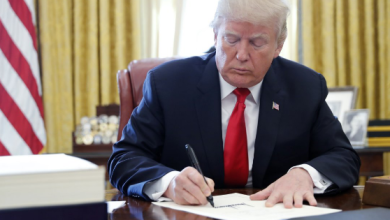
In 2019, the U.S. Department of the Treasury imposed sanctions on Mojtaba Khamenei during the presidency of Donald Trump, accusing him of representing the authority of his father despite not being elected to a government position.
Opponents have also accused him of playing a role in the crackdown that followed the disputed re-election of former Iranian president Mahmoud Ahmadinejad in 2009, which triggered widespread protests across the country.
Reports by international media have also suggested that Mojtaba Khamenei accumulated significant wealth through investments linked to oil revenues, though such claims remain controversial.
Religious and Family Background
On the religious front, Mojtaba studied Islamic theology in the holy city of Qom, where he later taught.
He holds the clerical title of Hujjat al-Islam, a mid-ranking religious position below the rank of Ayatollah held by his father and the Islamic Republic’s founder.
Iranian authorities also confirmed that his wife, Zahra Haddad‑Adel, died in the same strikes that killed the late Supreme Leader.
Meanwhile, Israel Katz, Israel’s Defence Minister, warned that any successor to Ali Khamenei could become a potential target amid the escalating regional conflict.
The Assembly of Experts, made up of 88 elected clerics serving eight-year terms, has previously overseen only one leadership transition when Ali Khamenei himself was selected as Supreme Leader in 1989 after the death of Ruhollah Khomeini.