Tensions in the Middle East escalated over the weekend as Iran warned it could reduce U.S.-linked oil facilities to “a pile of ashes,” further heightening a global oil price crisis that has already pushed crude prices up by more than 40 per cent since hostilities began two weeks ago.
The Iranian threat follows remarks from U.S. President Donald Trump, who said he may consider “wiping out” Iran’s largest oil export hub on Kharg Island if Tehran interferes with international shipping through the strategically vital Strait of Hormuz.
Since the outbreak of the conflict on February 28, waves of drone, missile, and aerial bombardments have displaced millions and reportedly killed more than 1,200 people in Iran.
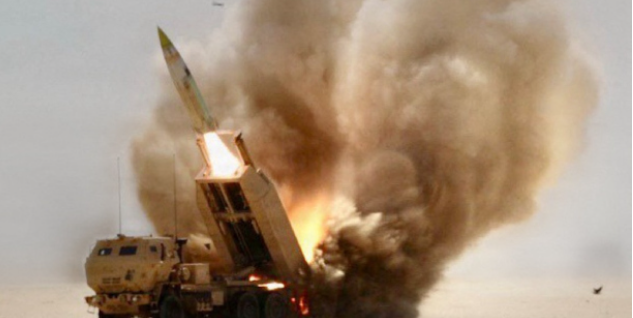
Despite facing superior U.S. and Israeli firepower, Iranian forces have launched missile and drone strikes against at least ten countries and threatened oil tankers traversing the Strait of Hormuz, a key artery that normally handles one-fifth of the world’s oil supply.
“U.S. forces have totally obliterated all military targets on Iran’s Kharg Island oil export hub,” Trump said in a social media post on Friday, calling the operation “one of the most powerful bombing raids in the history of the Middle East.”
The U.S. president added that he had, for now, refrained from targeting oil infrastructure but warned that any interference with shipping would prompt an immediate reconsideration.
He also stated that the U.S. Navy would soon begin escorting tankers through the Strait to safeguard oil exports.
Iran’s military responded swiftly, declaring that oil and energy infrastructure linked to U.S. firms would “immediately be destroyed and turned into a pile of ashes” should the United States strike its facilities, according to Iranian media reports.
Late Friday, heavy explosions shook Tehran as the United States signaled intentions to intensify air strikes.
According to Pentagon reports, the U.S. and Israeli militaries have struck over 15,000 targets in Iran over the past two weeks, with Israel conducting approximately 7,600 attacks, largely targeting Iran’s missile programme.
Iran appears determined to maintain its sovereignty despite the death of its supreme leader, Ali Khamenei, early in the campaign.
His son, Mojtaba Khamenei, was named the new supreme leader but has remained largely absent from public view and is reportedly wounded.
The Revolutionary Guards have also warned against any anti-government protests, following demonstrations in January that reportedly resulted in thousands of deaths.
An ongoing internet blackout has been maintained across the country since the conflict began.
In Iraq, a drone strike hit the U.S. embassy in Baghdad on Saturday, shortly after two Iran-backed fighters were killed in separate attacks on the city, according to local security sources.
The conflict’s impact has extended beyond Iran.
Qatar reported intercepting two missiles over its capital, Doha, prompting partial evacuations, while Saudi forces claimed to have intercepted dozens of drones on Friday.
NATO forced in Turkey shot down a ballistic missile launched from Iran, marking the third such interception during the ongoing war.
Lebanon has also been drawn into the conflict after a Tehran-backed militant group launched attacks on Israel in retaliation for the killing of Iran’s supreme leader.
Israeli airstrikes in southern Lebanon killed at least a dozen medical personnel at a healthcare clinic.
Lebanese authorities report that at least 773 people have been killed in Israel’s operations targeting Iranian-allied Hezbollah forces.
The ongoing hostilities have sent shockwaves through the global oil market, with Brent crude rising above $100 per barrel.
Analysts warned that continued volatility in the region could keep oil and fuel prices unstable for weeks, amplifying pressure on countries dependent on imported petroleum products.
The UN refugee agency estimates that up to 3.2 million people have been displaced within Iran, highlighting the humanitarian toll of the conflict.
AFP