The United Arab Emirates has announced plans to withdraw from the Organisation of the Petroleum Exporting Countries (OPEC) from May 1, a move that signals deepening fractures within the global oil alliance and reshapes the balance of power in the energy market.
The decision comes at a time of heightened geopolitical tension in the Gulf, driven in part by the ongoing Iran conflict, which has disrupted shipping routes and intensified competition among major oil producers.
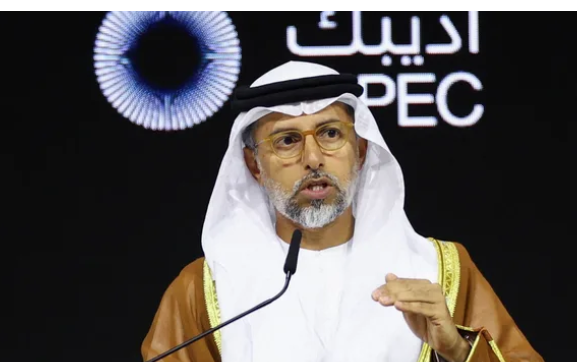
UAE Energy Minister Suhail Mohamed al-Mazrouei confirmed the development n Tuesday, describing it as the outcome of an internal policy review focused on the country’s long-term energy strategy.
He said the decision was taken independently and without consultation with other member states.
According to him, the UAE is repositioning itself to respond more flexibly to future global energy demand while prioritising national economic interests.
The exit of the UAE, one of OPEC’s top producers, is expected to reduce the group’s collective influence over global oil supply management.
It also raises concerns about cohesion within OPEC+, particularly in relation to Saudi Arabia, which has traditionally led production coordination efforts.
Analysts suggested the move could allow the UAE to increase oil output once regional export routes stabilise, as it would no longer be restricted by OPEC production quotas.
Market observers also note that disruptions in the Strait of Hormuz, a key global shipping corridor, were already affecting export flows and weakening OPEC’s overall output share.
Energy experts said the immediate impact on oil prices may be limited due to existing supply constraints linked to regional instability.
However, longer-term implications could include shifts in global market share as the UAE expands production capacity independently.
Some analysts argued that the development may benefit global consumers by increasing supply competition once conditions normalise.
Others warned it could undermine coordinated efforts to stabilise global oil prices.
The move has also drawn international attention, with some observers viewing it as aligning with broader geopolitical interests that favour increased production flexibility among major exporters.
Beyond economics, the decision highlights growing strategic differences between Abu Dhabi and Riyadh.
Once closely aligned on energy policy, the two Gulf powers have increasingly diverged over production strategy, regional influence, and foreign investment priorities.
The UAE has in recent years pursued a more assertive regional and global posture, strengthening ties with Western allies and expanding its diplomatic reach across the Middle East and Africa.
The UAE’s withdrawal marks one of the most significant structural changes to OPEC in decades, potentially altering how global oil supply is coordinated.
With internal divisions widening and external pressures mounting, analysts say the alliance may face challenges maintaining long-term unity.
As the global energy market continues to adjust to geopolitical shocks and supply disruptions, the UAE’s decision is likely to have lasting implications for both producer coordination and global pricing stability.