Israel supports U.S.-Iran ceasefire, clarifies Lebanon not included
The government of Israel has expressed support for the decision by United States President Donald Trump to temporarily halt military strikes against Iran, describing the move as a step toward easing rising tensions in the region.
In a statement issued on Wednesday, Israeli authorities endorsed the two-week suspension of hostilities agreed upon by Washington and Tehran.
The agreement was reached just moments before a deadline set by the U.S. for potential large-scale military action against Iran.
As part of the arrangement, Tehran reportedly committed to ensuring uninterrupted and secure maritime movement through the strategically vital Strait of Hormuz during the ceasefire period.
The pause is also expected to create room for diplomatic negotiations between both countries, with talks scheduled to begin in Pakistan later in the week.
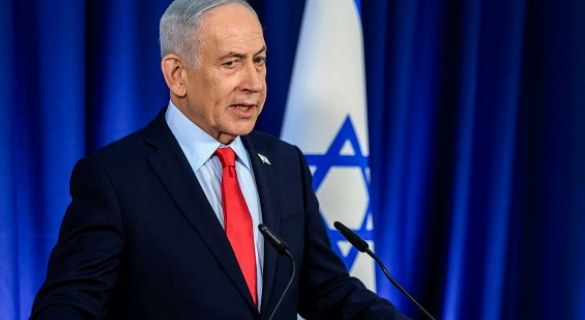
Reacting to the development, the office of Prime Minister Benjamin Netanyahu stated that Israel backed the U.S. decision, provided Iran fully complies with key conditions.
These include reopening the strategic waterway and halting attacks against the United States, Israel, and other nations in the region.
The statement further stressed Israel’s continued support for efforts aimed at neutralising what it described as threats posed by Iran, including its nuclear ambitions, missile capabilities, and alleged involvement in regional instability.
However, Israeli officials were quick to clarify that the ceasefire agreement does not extend to Lebanon, contradicting earlier remarks by Pakistan’s Prime Minister Shehbaz Sharif.
Sharif had suggested that the truce would apply across all fronts, including Lebanon, raising expectations of a broader de-escalation.
Lebanon has been deeply affected by the ongoing conflict, having been drawn into hostilities following rocket attacks launched at Israel by Hezbollah, an Iran-backed group.
The attacks triggered Israeli military operations, including ground incursions and sustained airstrikes, which authorities say have resulted in significant casualties.
The latest developments come amid heightened regional tensions and shifting alliances, with Israel previously urging Washington to take a more direct role in confronting Iran.
While the temporary ceasefire has raised cautious optimism, uncertainties remain over its scope and long-term impact on stability in the Middle East.
The government of Israel has expressed support for the decision by United States President Donald Trump to temporarily halt military strikes against Iran, describing the move as a step toward easing rising tensions in the region.
In a statement issued on Wednesday, Israeli authorities endorsed the two-week suspension of hostilities agreed upon by Washington and Tehran.
The agreement was reached just moments before a deadline set by the U.S. for potential large-scale military action against Iran.
As part of the arrangement, Tehran reportedly committed to ensuring uninterrupted and secure maritime movement through the strategically vital Strait of Hormuz during the ceasefire period.
The pause is also expected to create room for diplomatic negotiations between both countries, with talks scheduled to begin in Pakistan later in the week.
Reacting to the development, the office of Prime Minister Benjamin Netanyahu stated that Israel backed the U.S. decision, provided Iran fully complies with key conditions.
These include reopening the strategic waterway and halting attacks against the United States, Israel, and other nations in the region.
The statement further stressed Israel’s continued support for efforts aimed at neutralising what it described as threats posed by Iran, including its nuclear ambitions, missile capabilities, and alleged involvement in regional instability.
However, Israeli officials were quick to clarify that the ceasefire agreement does not extend to Lebanon, contradicting earlier remarks by Pakistan’s Prime Minister Shehbaz Sharif.
Sharif had suggested that the truce would apply across all fronts, including Lebanon, raising expectations of a broader de-escalation.
Lebanon has been deeply affected by the ongoing conflict, having been drawn into hostilities following rocket attacks launched at Israel by Hezbollah, an Iran-backed group.
The attacks triggered Israeli military operations, including ground incursions and sustained airstrikes, which authorities say have resulted in significant casualties.
The latest developments come amid heightened regional tensions and shifting alliances, with Israel previously urging Washington to take a more direct role in confronting Iran.
While the temporary ceasefire has raised cautious optimism, uncertainties remain over its scope and long-term impact on stability in the Middle East.