Tensions in the Gulf region escalated sharply on Monday after the United Arab Emirates accused Iran of launching coordinated missile and drone attacks, raising fresh concerns that an already fragile ceasefire with the United States could unravel.
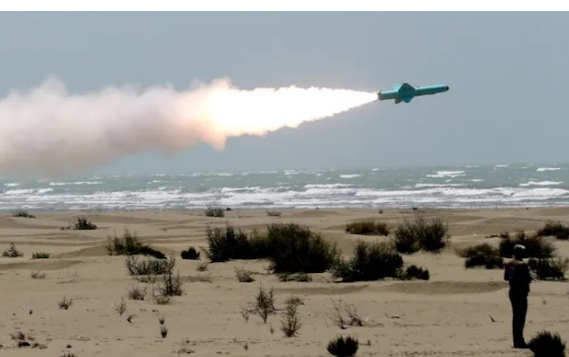
The UAE Ministry of Defence said in a statement that its air defence systems were actively intercepting incoming threats, describing an intense wave of aerial assaults.
“Our air defenses are currently dealing with missile attacks and incoming drones from Iran,” the ministry stated, adding that “the sounds heard in various parts of the country are the result of the UAE air defense systems intercepting ballistic missiles, cruise missiles, and drones.”
The statement further disclosed the scale of the interception effort, noting that “our defense systems engaged 12 ballistic missiles, three cruise missiles and four drones,” with the attacks resulting in “three moderate injuries.”
In a separate update, the UAE Ministry of Foreign Affairs condemned the incident and confirmed that the injured were foreign nationals.
“The three injured people are Indian nationals,” the ministry said, while strongly denouncing what it described as “in the strongest terms the renewed terrorist, unprovoked Iranian attacks targeting civilian sites and facilities in the country using missiles and drones.”
The latest developments have intensified pressure on a ceasefire arrangement between Washington and Tehran, which only began on April 8.
The truce has faced repeated strain amid rising maritime confrontations in the Strait of Hormuz, a critical global shipping route.
According to the United States Central Command, American forces recently engaged Iranian-linked maritime assets in the area.
“American forces eliminated six small Iranian boats that were attempting to interfere with commercial shipping movements,” CENTCOM said, though Iranian state media rejected the claim, insisting no such vessels were destroyed.
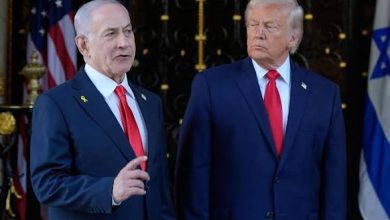
United States President Donald Trump issued a strong warning to Tehran during an interview with Fox News, saying Iran would face devastating consequences if it targeted American vessels.
He stated that Iran would be “blown off the face of the earth” if it attacked U.S. ships protecting commercial traffic in the Strait of Hormuz.
Trump also alleged that a South Korean cargo vessel had been struck in the waterway, adding in a post on his Truth Social platform: “perhaps it’s time for South Korea to come and join the mission!”
Despite the growing tensions, Trump stopped short of confirming that the ceasefire had collapsed, with reports indicating he avoided declaring it officially broken.
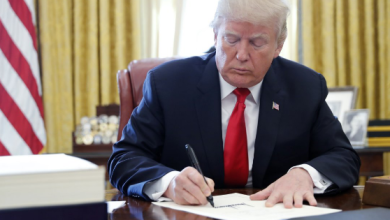
The escalation followed closely after Trump announced a new initiative he called “Project Freedom,” which he said was aimed at “freeing ships that have been stranded as a result of Iran’s de facto blockade of the Strait of Hormuz.”
Meanwhile, a social media account linked to Iran’s Islamic Revolutionary Guard Corps appeared to acknowledge ongoing military activity, sharing footage it claimed showed operational strikes.
The posts reportedly included “drone and missile attacks carried out by the IRGC Cyber Corps,” along with visuals described as “the aftermath of a drone attack on UAE’s Port of Fujairah” and “a ship on fire following a missile strike.”
In response to the escalating situation, authorities in the UAE issued emergency alerts across major cities including Dubai and Abu Dhabi, urging residents to take immediate safety precautions.
“Due to the current situation, potential missile threats, immediately seek a safe place in the closest secure building,” residents were warned.
The UAE also announced a temporary closure of its airspace for one week, causing major disruptions to commercial flights. Global financial markets reacted quickly, with stock indices falling and oil prices rising amid fears that the crisis could further destabilise global trade and energy supply chains.