Nigeria is ramping up efforts to strengthen its knowledge economy and boost the value of its creative and innovation sectors as the Federal Government intensifies reforms on intellectual property protection and investment attraction.
The push gained renewed momentum on Monday following confirmation that the Director-General of World Intellectual Property Organisation, Daren Tang, would visit Nigeria on June 1 for a three-day high-level engagement that will include the formal inauguration and expansion of WIPO’s Abuja presence.
The Abuja office is expected to serve as WIPO’s key operational hub in Sub-Saharan Africa, a development being interpreted in diplomatic and economic circles as recognition of Nigeria’s expanding role in Africa’s creative and innovation landscape
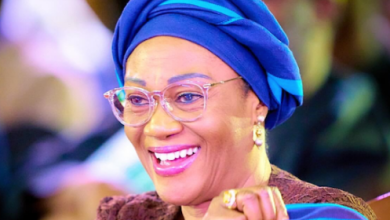
Speaking during a meeting with the Director of the WIPO Nigeria Office, Oluwatobilola Moody, the Minister of Foreign Affairs, Bianca Odumegwu-Ojukwu, reaffirmed government commitment to strengthening intellectual property systems and expanding opportunities for local creators and entrepreneurs.
She said Nigeria’s fast-growing creative industry—spanning music, film, fashion, publishing, technology and digital content—must translate its global cultural influence into stronger economic gains.
“You talked about Nigeria’s soft power in the creative industry; I expect that hosting the office here in Abuja means there should be a whole lot of openings for young Nigerians,” she said.
Her comments come amid long-standing concerns over piracy, copyright violations and weak enforcement mechanisms that continue to cost Nigerian creators substantial revenue losses, despite global success in sectors such as Nollywood and Afrobeats.
Analysts believe the establishment of a permanent WIPO presence in Abuja could improve enforcement capacity, modernise intellectual property systems and strengthen Nigeria’s competitiveness in global innovation markets.
The WIPO office has already supported Nigeria’s digital transformation of its trademarks and patents system through the Industrial Property Automation System (IPAS), aimed at improving efficiency, transparency and investor confidence.
The Federal Government is now seeking deeper collaboration with WIPO in areas including technical assistance, youth empowerment and the commercialisation of creative and technological assets.
Odumegwu-Ojukwu also called for expanded capacity-building programmes to help transform local innovation into globally competitive products capable of generating jobs and foreign exchange earnings.
Experts have long argued that Nigeria’s creative and tech sectors remain underdeveloped due to weak intellectual property protection, limited awareness and gaps in enforcement frameworks.
The upcoming WIPO visit is expected to trigger renewed policy discussions on innovation reform, digital economy growth and the monetisation of intellectual assets in Africa’s largest economy.
Briefing the minister, Moody noted that WIPO under Tang has shifted toward a more inclusive intellectual property framework that supports small businesses, women and young innovators.
He also said the organisation is adapting global IP systems to address emerging technologies such as generative artificial intelligence while ensuring that human creativity remains protected.
According to him, Nigerian innovators will continue to benefit from programmes designed to expand access to intellectual property protection and international market opportunities.
The visit is expected to bring together stakeholders from government, diplomacy, business and the creative sector, further positioning Nigeria as a growing hub for innovation, culture and intellectual capital.