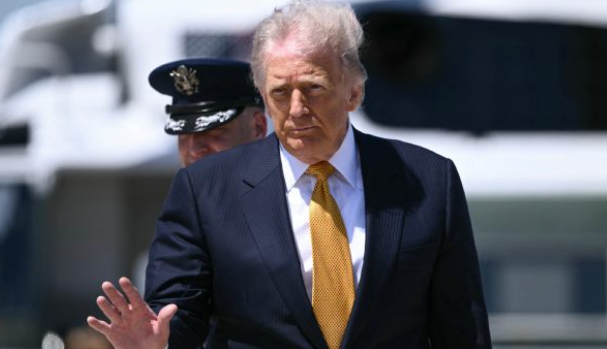
United States President Donald Trump is expected to participate in the upcoming North Atlantic Treaty Organization (NATO) summit in Turkey, according to Secretary of State Marco Rubio, who described the gathering as one of the most consequential meetings in the alliance’s history.
Rubio made the disclosure while testifying before the House Foreign Affairs Committee on Wednesday, offering assurances that the Trump administration remains engaged with the military alliance despite ongoing disagreements between Washington and several European partners.
“The President himself will be attending the next NATO meeting of heads of state, where all these points will be made clear,” Rubio said while referring to the summit scheduled for July 7 and 8 in Ankara, Turkey.
The secretary of state, however, stressed that while the United States remains committed to NATO, significant reforms are needed within the alliance.
“We’re still in NATO, but NATO needs significant changes,” Rubio stated.
The announcement comes at a time when questions continue to surround Washington’s long-term commitment to the alliance, particularly following a series of diplomatic disagreements involving security priorities and military cooperation among member states.
Rubio described the upcoming summit, which will bring together leaders from all 32 NATO member countries, as a potentially defining moment for the future direction of the alliance.
According to him, the meeting will provide an opportunity for member nations to address lingering concerns and resolve issues that have strained relationships within the bloc.
“This is probably the most important meeting in NATO’s history because there’s some things that need to be cleared up and fixed,” he said.
Relations between the United States and some of its European allies have remained under pressure in recent months following disagreements over military strategy and international security matters.
Tensions reportedly intensified after several European governments declined to participate alongside the United States and Israel in military operations against Iran.
The disagreement exposed divisions within the alliance and reignited debates about burden-sharing and strategic cooperation among NATO members.
Amid the strained relations, Washington has also reduced portions of its military presence in Europe, a move that has generated discussion about the future role of American forces on the continent.
In separate congressional testimony delivered a day earlier, Rubio expressed frustration over Spain’s decision not to permit the use of American military bases on its territory for operations related to strikes against Iran.
The secretary argued that such restrictions raise broader concerns about the practical effectiveness of collective defence arrangements within the alliance.
“We have members of that alliance that are basically denying the use of those bases in a contingency,” Rubio said.
He added that such actions provide reason “to question the entire thing,” highlighting the depth of frustration within parts of the U.S. administration over the issue.
Political analysts believe the Ankara summit could become a critical platform for addressing disagreements among member states and clarifying NATO’s strategic priorities amid evolving global security challenges.
With President Trump’s attendance now confirmed, attention is expected to focus on discussions surrounding military cooperation, defence spending, alliance responsibilities and the future structure of transatlantic security partnerships.
The summit is widely anticipated to shape NATO’s next phase as leaders seek common ground on issues that have tested unity within the alliance in recent years.