Nigeria is edging closer to the establishment of state police as the constitutional and legal groundwork for a decentralised policing system moves toward completion, the Presidency has said.
The update follows several months of consultations between the Presidency, the National Assembly, and top security stakeholders aimed at reshaping the country’s internal security structure and improving overall response to rising threats.
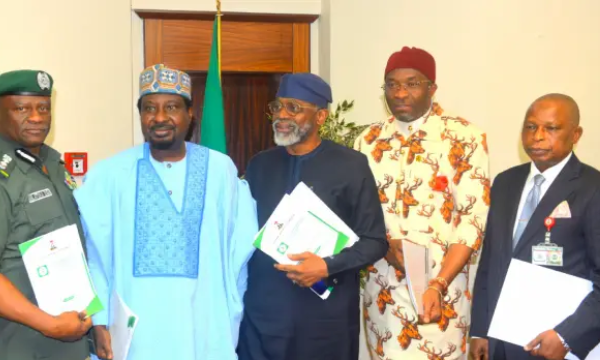
The Chief of Staff to the President, Femi Gbajabiamila, gave the update on Thursday after a high-level consultative meeting on state police held at the State House, Abuja, where he addressed State House correspondents.
According to a statement by the Special Adviser to the President on Information and Strategy, Bayo Onanuga, discussions on the proposed framework began months earlier following a directive from President Bola Tinubu.
Gbajabiamila explained that the process has been gradual due to the constitutional and legal complexities involved.
“We started deliberations in the last three or four months on how to go about the establishment of state police as directed by Mr President.
“Establishing state police is not something that you do with the snap of the fingers.
”There is a lot involved in terms of constitution and legalities, and thank God, we have now gained a lot of traction.
“Hopefully, the amendment will come shortly, and the details of the amendment will come after that,” he was quoted as saying.
He further stressed that the immediate focus remains on securing constitutional amendments before moving to supporting legislation required for implementation.
“Right now, what we are looking at is the constitutional amendment itself, and then the enabling law would follow thereafter. That is what we have been deliberating on in the last couple of hours,” he added.
Gbajabiamila also noted that national conversations around state policing have shifted significantly, with attention now on structure and implementation rather than acceptance.
According to him, there is now wider consensus across political and security circles on the need for decentralised policing, with President Tinubu expected to receive a full report on the consultations.
The meeting brought together key government and security officials, including Deputy Senate President Jibrin Barau, Deputy Speaker of the House of Representatives Benjamin Kalu, Inspector-General of Police Tunji Disu, and other senior stakeholders.
The proposed reform is part of broader efforts to strengthen Nigeria’s security framework by allowing states to play a more active role in policing, intelligence gathering, and rapid response to crime.
At present, policing remains centrally controlled under the Nigeria Police Force, but increasing security challenges have intensified calls for restructuring.
President Tinubu has previously described state policing as an unavoidable step in addressing insecurity and has urged lawmakers to accelerate relevant legislative processes.
Supporters of the proposal argue that it will improve community-based intelligence, enhance local response capacity, and bring security operations closer to affected populations.
However, critics continue to warn about possible risks, including political interference by state executives, uneven funding capacity across states, and the possibility of worsening ethnic or communal tensions.
The renewed push comes amid continued concern over insecurity and repeated incidents of mass abductions in different parts of the country.
One such case occurred on May 15 in Oriire Local Government Area of Oyo State, where 39 pupils and seven teachers were abducted from three schools.
The incident sparked public outrage, protests, and an indefinite strike by teachers in the state.