Twenty Nigerian states have received a combined $27 million in performance-based grants under the World Bank-supported Human Capital Opportunities for Prosperity and Equity (HOPE) Governance Programme after meeting key reform targets in education, healthcare, and public financial management.
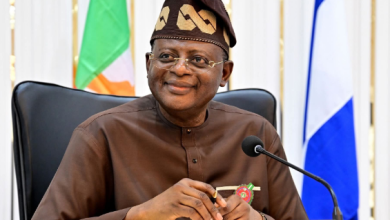
The disbursement was announced on Tuesday in Abuja by the programme’s National Coordinator, Assad Hassan, during a retreat for commissioners, permanent secretaries, and budget directors.
The $500 million HOPE Governance Programme, backed by the World Bank and implemented through the Federal Ministry of Budget and Economic Planning, is designed to strengthen basic education, primary healthcare systems, and public sector accountability across Nigeria.
According to officials, the grants were awarded based on states’ performance under Year Zero Disbursement-Linked Results, which require compliance with planning, budgeting, and transparency reforms before accessing funding.
States were assessed by an independent verification agent based on criteria such as adoption of standard education and health planning frameworks, harmonised local government budget guidelines, and publication of citizens’ budgets.
Under the assessment, Bayelsa, Borno, Kano, Kebbi, and Yobe each received $1.5 million for meeting requirements related to education and healthcare planning frameworks.
Several states, including Adamawa, Delta, Gombe, Plateau, and Taraba, also qualified for additional funding after adopting harmonised budget guidelines for local governments.
More states, including Abia, Edo, Ekiti, Enugu, Imo, Jigawa, Kogi, Nasarawa, Ondo, and others, were rewarded for publishing 2025 Citizens’ Budgets covering education and primary healthcare.
Officials explained that some states did not qualify due to missed deadlines, incomplete submissions, or failure to publish required documents on official platforms.
The HOPE programme, launched in December 2025, allocates $480 million for performance-based state grants and $20 million for technical support and institutional strengthening.
Despite the funding initiative, Nigeria continues to face major gaps in basic services, with surveys showing low public satisfaction with healthcare and widespread infrastructure deficits in schools and health facilities.
The programme is expected to improve service delivery by linking financial rewards to measurable governance and human capital reforms across participating states.