Remembering Eddie Ugbomah, Nigeria’s fearless film pioneer By Fred Iwenjora

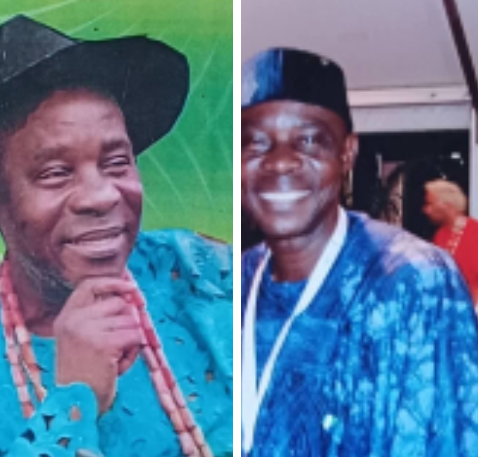
Long before Nollywood became a global brand, Chief Eddie Ugbomah was already redefining Nigerian filmmaking, breaking barriers in entertainment and leaving behind a legacy that continues to inspire generations of filmmakers.
Born on December 19, 1940, Ugbomah built an illustrious career that spanned music promotion, television, filmmaking and cultural advocacy. While many remember him for his classic movies, his contributions to Nigeria’s music and entertainment industry began years before he stepped behind the camera.
After studying English and Journalism at the City of London University, he further trained in cinematography at the London Film School in Covent Garden before expanding his journalism studies in London.
His early exposure to international media equipped him with the skills that later shaped his remarkable career.
Ugbomah’s journey into show business started while working as a part-time producer on the popular British television programme Ready, Steady, Go. In 1966, he made history by bringing Jamaican music sensation Millie Small, famous for the global hit My Boy Lollipop, to Nigeria.
During the tour, Afrobeat legend Fela Kuti led her backing band, with performances held at the Onikan Stadium, Glover Hall, military barracks and other popular venues across Lagos.
He also played a significant role in the rise of wrestling icon Mike Okpala, popularly known as Power Mike, introducing him to international audiences during entertainment tours and television appearances that helped launch his celebrated wrestling career.
Following unsuccessful attempts to secure employment with the Nigerian Television Authority, Ugbomah carved his own path as presenter of entertainment programmes such as Lagos Weekend and the popular Bar Beach Show.
On his final day as host, he famously announced that audiences would next see him on the cinema screen—a promise he fulfilled with extraordinary success.
His breakthrough came in 1977 with The Rise and Fall of Dr. Oyenusi, a crime drama inspired by his personal encounter with the notorious armed robber Dr. Ishola Oyenusi.
The film became one of Nigeria’s biggest cinematic successes of the era and established Ugbomah as one of the country’s leading filmmakers.
He maintained an impressive pace throughout the late 1970s and 1980s, producing notable films including The Boy Is Good, Oil Doom, The Mask, Bolus 80, The Great Attempt, Apalara, Death of a Black President, Esan A Ke, Vengeance of the Cult and Tori Ade.
Some of his productions tackled controversial political and social issues, leading to the banning of films such as The Great Attempt and later Ha! Yoruba.
Although initially reluctant to embrace the home video revolution that transformed Nollywood, Ugbomah eventually adapted, producing films such as America or Die, Akoba Adaba, Aba Women Riot and Black Gold, while also featuring in productions including True Confession and Flaming Passion.
Beyond filmmaking, Ugbomah served as Chairman of the Nigerian Film Corporation and remained a respected figure across professional bodies, including the Directors Guild of Nigeria and the Association of Movie Producers.
He also founded the Nigeria Movie Makers Hall of Fame to celebrate excellence in the industry.
His impact earned him the national honour of Officer of the Order of the Niger (OON) in recognition of his outstanding contributions to Nigerian arts and culture.
He also served as a visiting lecturer at Georgetown University in the United States, sharing his expertise with aspiring filmmakers.
Known for his fearless personality and uncompromising opinions, Ugbomah commanded respect both at home and abroad.
Colleagues described him as bold, outspoken and passionately committed to the advancement of African cinema.
His confidence was legendary, including memorable moments such as proudly wearing traditional Nigerian attire on the Cannes Film Festival red carpet instead of the conventional tuxedo.
When he died on May 11, 2019, tributes poured in from across Nigeria’s creative industry, honouring a man whose vision laid important foundations for modern Nollywood.
He was laid to rest on July 11, 2019, at his Edifosa Orchards residence in Ilogbo Eremi, Lagos.
Today, Eddie Ugbomah is remembered not only as a filmmaker but as a trailblazer whose courage, creativity and commitment to telling Nigerian stories helped shape the nation’s film industry long before it gained global recognition.