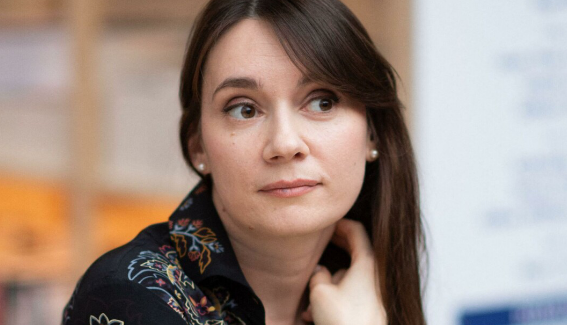
Russia has criticised France’s decision to deport Russian media personality Xenia Fedorova, describing the move as unacceptable and accusing Paris of targeting journalists over political disagreements.
Russia’s Foreign Ministry said on Thursday that the deportation order against the former head of RT France represented what it called an attempt to silence dissenting voices amid ongoing tensions linked to the war in Ukraine.
French authorities announced last month that they had ordered Fedorova’s removal from the country.
Since leaving RT France, she has become a regular commentator on French conservative media platforms, including CNews, Europe 1 and JDNews, as political activity increases ahead of France’s next presidential election.
French Foreign Minister Jean-Noël Barrot accused Fedorova of serving as an “agent of influence” for Russia, while Interior Minister Laurent Nuñez alleged that she promoted Russian disinformation intended to harm France’s “fundamental interests.”
Reacting to the decision, Russian Foreign Ministry spokesman Alexey Fadeev rejected the accusations and said Moscow considered the action politically driven.
“We consider the persecution of journalists on trumped-up charges to be unacceptable and strongly condemn it,” Fadeev said.
He added that the deportation reflected what Moscow described as a wider pattern of hostility towards Russia.
“The expulsion of Ksenia Fedorova, as an act of reprisal against a rebellious journalist, came as no surprise to us, as we have long been observing the actions of the French leadership, which obsessively attributes a ‘Russian connection’ to every problem in the country,” he said.
Fedorova has repeatedly denied the allegations, arguing that the case against her amounts to censorship and an attack on press freedom.
Her legal efforts to stop the deportation suffered a setback on Monday after a Paris court rejected her appeal, allowing French authorities to proceed with the order.
The dispute added to wider tensions between Russia and several European countries over allegations of foreign influence, information warfare and media restrictions following Russia’s invasion of Ukraine.