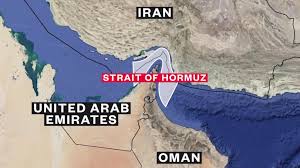
A senior United Arab Emirates official has warned that Iran cannot be trusted to manage the Strait of Hormuz unilaterally, as tensions between Tehran and Washington continue to intensify amid an unresolved conflict and worsening global energy disruption.
Two months into the conflict, the strategic waterway remains largely closed due to an Iranian blockade, while the U.S. Navy continues to restrict Iran’s crude exports.
The disruption has cut off about 20 per cent of global oil and gas supply, pushing energy prices higher and raising fears of a global economic slowdown.
Although a ceasefire has technically been in place since April 8, tensions flared again following reports that Donald Trump was to be briefed on possible new military strikes aimed at forcing Iran back to negotiations.
The development briefly pushed oil prices to a four-year high on Thursday.
Iran has since activated its air defence systems and is preparing for possible retaliation if attacked.
Two senior Iranian sources said Tehran expects any U.S. strike to be short but intense, and potentially followed by Israeli action.
Washington has not yet clarified its next move.
Trump recently expressed dissatisfaction with Iran’s latest proposal, while Pakistan, acting as a mediator, has not announced a new date for talks.
The conflict escalated after U.S. and Israeli airstrikes on February 28, drawing wider regional involvement.
Iran responded by targeting U.S. bases and infrastructure in Gulf states, while Hezbollah launched missiles at Israel, prompting Israeli strikes on Lebanon.
UAE presidential adviser Anwar Gargash stressed the importance of international oversight in securing the Strait of Hormuz.
“The collective international will and provisions of international law are the primary guarantors of freedom of navigation through the strait,” he said.
He added that unilateral Iranian control cannot be trusted following what he described as aggression against neighbouring states.
Despite a ceasefire, markets remained volatile.
Brent crude rose above $111 per barrel on Friday, marking a weekly gain of 5.7 per cent after peaking at $126 — its highest level since 2022.
Iranian officials have warned that diplomatic progress will take time.
A Revolutionary Guards commander cautioned that any renewed U.S. attack would trigger “long and painful strikes” on American positions, while Iran’s Aerospace Force warned of retaliation against US warships and bases.
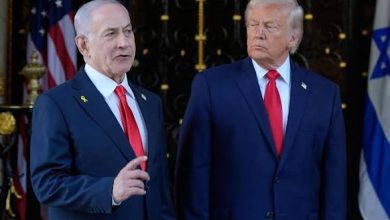
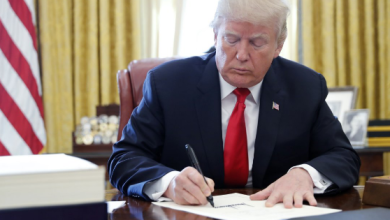
U.S. President Donald Trump has maintained that Iran will not be allowed to obtain nuclear weapons and has expressed confidence that fuel prices will fall once the conflict ends.
Tehran insisted its nuclear programme is for civilian purposes only.
Analysts sai Iran’s economy is under severe pressure but warn it may still sustain a prolonged standoff despite sanctions and reduced oil exports.
According to reports, U.S. military planners are considering options ranging from seizing parts of the Strait of Hormuz to extending the blockade or declaring a unilateral victory.
A post-conflict maritime coalition, the “Maritime Freedom Construct,” is also being explored to secure shipping routes.
However, European allies including France and Britain have indicated they would only participate after hostilities fully end, highlighting continued uncertainty over de-escalation efforts.