The Lagos State Government has inaugurated a technical committee to spearhead the commercial production of biogas and biomethane as part of efforts to promote cleaner and sustainable energy alternatives across the state.
The initiative is expected to reduce dependence on imported fuel while creating environmentally friendly energy solutions for households, industries and transportation operators.
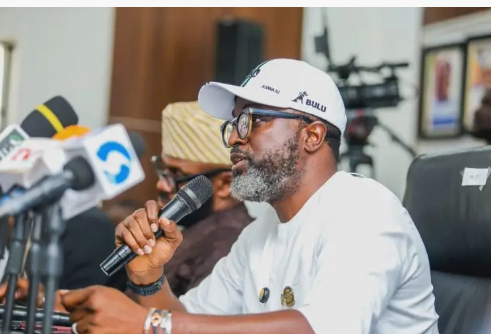
Speaking during a ministerial press briefing on Monday in Lagos, the Commissioner for Transportation, Oluwaseun Osiyemi, said the committee had already been formally constituted to coordinate the implementation process.
According to him, the committee consists of representatives drawn from relevant Ministries, Departments and Agencies to ensure effective collaboration and smooth execution of the project.
Osiyemi explained that studies carried out by the government confirmed that biogas and biomethane remained practical and cost-effective alternatives to diesel and other conventional fuels.
“Lagos generates about 13,000 metric tonnes of waste daily, with 45 per cent organic content.
“This organic waste can be converted into biomethane fuel locally at significantly lower production costs,” he said.
The commissioner noted that the state government was determined to move from research and pilot initiatives to full commercial-scale production of cleaner fuels.
He added that the move formed part of broader environmental sustainability policies aimed at reducing carbon emissions and improving sanitation across the state.
Osiyemi disclosed that one of the government’s major interventions involved the conversion of 152 First and Last Mile buses from petrol-powered engines to compressed natural gas (CNG) systems.
He also highlighted progress on Lagos’ seven-line electric rail project, describing it as a major component of the state’s integrated urban transportation strategy.
According to him, diesel-powered buses are gradually being replaced with cleaner transportation alternatives powered by electricity, biogas and CNG technology.
The commissioner revealed that CNG buses introduced into the state’s transport network since 2022 had transported more than 600,000 passengers.
He said the transition to cleaner fuel alternatives had reduced operational fuel costs by nearly 50 per cent.
Osiyemi further disclosed that two electric buses deployed along Bus Rapid Transit corridors recently completed a successful 90-day pilot operation.
According to him, the buses transported more than 150,000 passengers during the trial period while helping to prevent approximately 200,000 kilogrammes of carbon emissions.
The commissioner also announced the introduction of 2,000 CNG-powered trucks under the haulage reform initiative of Governor Babajide Sanwo-Olu.
The programme is being implemented through the state transport logistics office in collaboration with the United Bank for Africa.
“The programme is replacing old, unsafe trucks linked with road accidents across the state.
“It is also promoting safer and cleaner haulage operations within Lagos,” Osiyemi said.
He further highlighted the recent sustainability conference organised by the Lagos Metropolitan Area Transport Authority (LAMATA).
The conference, themed “Harnessing Clean Urban Transport Innovation and Investment in Africa,” attracted participants from different African cities, development organisations and transport stakeholders.
Osiyemi said the conference further reinforced Lagos’ growing reputation as a leading hub for sustainable transportation development on the continent.
The commissioner also identified initiatives such as the E1 Sport Series and EcoMove Lagos as part of programmes designed to promote innovation in water transportation and smart mobility solutions.
According to him, the increasing number of electric and CNG-powered vehicles within the e-hailing sector demonstrates growing private-sector confidence in clean transportation initiatives across the state.
Osiyemi said all the reforms aligned with the state government’s THEMES+ development agenda, which prioritises eco-friendly transportation, lower emissions, improved traffic management and integrated multimodal connectivity.