Stakeholders in Nigeria’s leather sector have renewed calls for stronger partnerships, increased investment and sustainable business practices as efforts intensify to unlock the industry’s economic potential and position it as a major contributor to national development.
The appeal was made on Friday during a press conference held ahead of the 2026 Lagos Leather Fair, which is scheduled to take place in Lagos from June 27 to June 28.
Industry leaders at the event stressed that the leather sector remained one of Nigeria’s most promising non-oil industries but continues to face several challenges that have slowed its growth and competitiveness.
Speaking at the briefing, Convener of the Lagos Leather Fair, Femi Olayebi, highlighted persistent misconceptions surrounding the industry as well as weaknesses within the value chain, describing them as major obstacles to progress.
According to her, inadequate infrastructure and limited collaboration among stakeholders have prevented the sector from achieving its full potential despite the abundance of talent and raw materials available across the country.
She explained that the Lagos Leather Fair was established to bridge existing gaps within the ecosystem by creating opportunities for dialogue, networking and business development among manufacturers, designers, investors and policymakers.
Now in its ninth edition, the event has grown into a leading platform dedicated to promoting innovation, creativity and enterprise development within Africa’s leather industry.
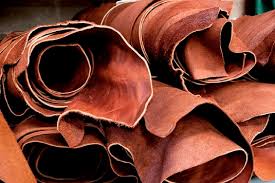
Olayebi noted that the theme for this year’s edition, “Beyond The Hide,” reflects a broader vision of transforming the sector from a largely raw-material-driven industry into a globally competitive value-added enterprise.
“For us, ‘Beyond The Hide’ is more than a theme; it is a call to action.
“It is a challenge for each and every one in the room today to take this industry, which is widely regarded as one of the most promising non-oil sectors, very seriously, and begin to identify concrete practical ways to make the ecosystem work,” she said.
She further described the theme as an invitation for stakeholders to rethink the future of the industry and pursue strategies that will drive sustainable growth.
“It’s a call to scale value. It’s a call to build a more connected and sustainable industry, and position that African leather ecosystem as a global competitive force and a meaningful contributor to economic growth,” she added.
The organisers disclosed that this year’s fair will feature a wide range of activities designed to educate, inspire and connect participants across the leather value chain.
Director of Photography for the event, Kola Oshalusi, said attendees should expect exhibitions showcasing outstanding leather products and designs from leading industry players.
He explained that the programme would also include panel discussions focused on industry development, specialised masterclasses and a makers’ bench where participants will gain hands-on experience in leather production processes.
According to Oshalusi, the fair will further feature fashion showcases, interactive photo sessions and award presentations aimed at recognising excellence, innovation and creativity within the industry.
“These activities are designed not only to celebrate talent but also to encourage knowledge sharing and inspire the next generation of leather entrepreneurs and artisans,” he noted.
The event also received strong backing from the financial sector, with partner institution Ecobank reaffirming its commitment to supporting businesses operating within the leather ecosystem.
Representing the bank’s SME Partnership and Collaboration unit, Sunmisola Olaseinde described the leather industry as a critical component of economic development and an example of how small and medium-scale enterprises can drive growth when provided with the right support.
She emphasised the importance of empowering entrepreneurs, expanding access to financing and strengthening partnerships that can help businesses scale their operations.
Olaseinde also reiterated Ecobank’s readiness to work with industry players and support initiatives that promote innovation, job creation and long-term sustainability within the sector.
The Lagos Leather Fair has earned recognition as one of Africa’s foremost platforms for celebrating leather craftsmanship and advancing industry development.
Over the years, it has brought together designers, manufacturers, investors, retailers and creative professionals, helping to showcase the quality and potential of African-made leather products to both local and international audiences.
As preparations continued for the 2026 edition, stakeholders remain optimistic that the event will generate fresh ideas, attract investment opportunities and strengthen collaboration across the value chain.
Industry leaders believe that with sustained commitment from government, financial institutions and private sector players, Nigeria’s leather sector can emerge as a major source of employment, exports and economic diversification in the years ahead.