The Federal Government has welcomed the International Monetary Fund’s (IMF) 2026 Article IV Mission Concluding Statement on Nigeria, describing it as an independent endorsement of ongoing economic reforms and pledging to sustain the policy direction of the administration.
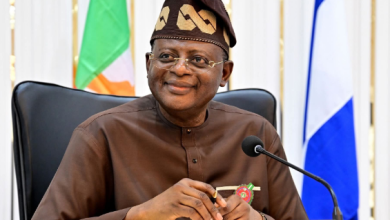
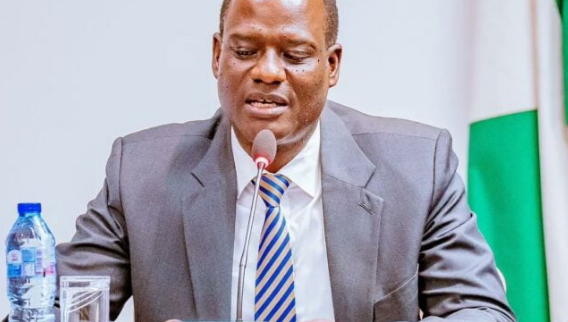
The Minister of Finance and Coordinating Minister of the Economy, Mr. Taiwo Oyedele, said in a statement that the IMF assessment offers “further independent validation that the bold and necessary reforms undertaken under the leadership of President Bola Tinubu, GCFR, are strengthening macroeconomic stability, restoring confidence, and laying the foundation for sustainable and inclusive growth.”
According to him, the IMF noted that reforms carried out over the past three years have produced improved macroeconomic outcomes and strengthened Nigeria’s resilience to external shocks.
The Fund, he said, specifically highlighted gains in foreign exchange market operations, improved external buffers, ongoing fiscal and revenue reforms, banking sector stability, and overall macroeconomic improvement.
“These developments affirm that Nigeria is moving in the right direction and is better positioned to withstand global economic uncertainties than at any time in recent years,” Oyedele stated.
The minister further noted that the IMF recognised key policy shifts, including the removal of fuel subsidies, the elimination of deficit monetisation, foreign exchange market liberalisation, and tighter fiscal discipline, which he said have helped reduce economic vulnerabilities and rebuild investor confidence.
“The report notes that Nigeria now faces global shocks with stronger policy frameworks and buffers than before,” he added.
Oyedele also pointed to recent global economic pressures, including rising energy and food prices triggered by geopolitical tensions in the Middle East, tighter financial conditions, and disruptions in global supply chains.
While acknowledging these challenges, he said the IMF observed that Nigeria has shown resilience, with the foreign exchange parallel market premium remaining below five per cent, sovereign spreads relatively stable, and investor confidence sustained.
He added that the IMF also noted that Nigeria stands to benefit from higher global energy prices through improved export earnings, stronger fiscal inflows, and increased foreign exchange liquidity.
The government, he explained, is focusing on converting these advantages into long-term gains through increased crude oil production, expansion of domestic refining capacity, growth in gas output and exports, and attraction of new investments across the energy sector.
Oyedele also acknowledged the IMF’s concern that poverty and food insecurity remain major challenges, stressing that macroeconomic stability alone is insufficient without inclusive growth.
He noted that per capita income growth of nearly 10 per cent in 2025 signals progress in reducing poverty levels, but insisted that the government remains focused on ensuring that reforms translate into tangible improvements in citizens’ welfare.
“Economic growth must be inclusive and must translate into tangible improvements in the welfare of Nigerians,” he said.
The IMF report comes amid ongoing debate over the social impact of Nigeria’s economic reforms, particularly subsidy removal and currency adjustments, which have triggered inflationary pressures but also strengthened fiscal and external positions, according to government officials.