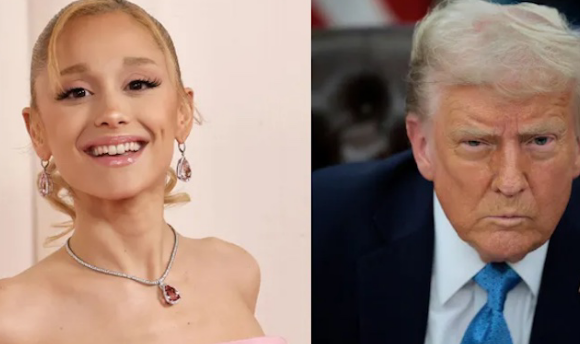
Pop star Ariana Grande has publicly criticised the White House after one of her songs was used in a social media video promoting the Trump administration’s immigration enforcement efforts, demanding that her music not be associated with what she described as “barbaric” policies.
The controversy erupted after the White House posted a TikTok video highlighting immigration enforcement operations.
The clip featured footage of federal agents arresting and handcuffing individuals while Grande’s 2024 song, Bye, played in the background.
The post was accompanied by a message praising President Donald Trump’s border security policies.
Reacting to the video, Grande left a strongly worded comment on the White House TikTok account, distancing herself from both the message and the use of her music.
“Please do not ever use my music in relation to this barbaric, inhumane, heinous nonsense,” she wrote.
Sources close to the Grammy Award-winning singer and Academy Award-nominated actress said her team immediately began efforts to have the song removed from the post. Reports later indicated that the audio was muted or removed from the video following the backlash.
The White House responded forcefully to Grande’s criticism.
White House spokesperson Abigail Jackson defended the administration’s immigration policies and rejected the singer’s characterisation of the video.
“We’ll say this one last time: what’s actually barbaric, inhumane, and heinous are the criminal illegal aliens who have injured and murdered innocent American citizens,” Jackson said.
The dispute marks the latest public clash between Grande and the Trump administration.
The singer has previously voiced opposition to several administration policies and last year shared a social media post questioning whether Americans who supported Trump believed their lives had improved since his return to office.
The White House has increasingly relied on short-form social media content to promote administration policies, often incorporating popular music into videos highlighting immigration enforcement actions, military operations and other government initiatives.
Grande’s objection also adds her name to a growing list of musicians who have publicly opposed the use of their songs in politically charged content linked to the administration.
Several artists, including singers and songwriters from across different genres, have previously criticised similar uses of their music and demanded that their work be removed from government promotional posts.
The incident has reignited debate over the use of popular music in political messaging and the extent to which artists can control how their work is used in public and governmental communications.
For Grande, however, her position was clear: she does not want her music associated with immigration enforcement campaigns she fundamentally opposes.