Former Nigerian Ambassador to Switzerland, Joseph Ayalogu, has urged African countries to demand compensation from South Africa for victims of xenophobic attacks affecting foreign nationals.
He made the call during an interview on Channels Television’s The Morning Brief on Tuesday, describing the renewed violence as unacceptable.
Ayalogu also criticised what he called the inadequate response of the South African government to the repeated attacks on Africans.
According to him, many victims have lost businesses, investments, and livelihoods due to targeted destruction and looting.
He said reports on social media show attackers deliberately targeting foreign-owned businesses and taking over their properties.
He argued that African governments, including Nigeria, must jointly pressure South Africa to compensate affected victims.
He stressed that diplomatic responses must go beyond statements and demand concrete action from Pretoria.
Ayalogu said South Africa has a duty to protect everyone within its borders without discrimination or delay.
He added that the real challenge is not lack of laws, but weak enforcement of existing legal frameworks.
The former envoy expressed dissatisfaction with measures taken so far by South African authorities.
He acknowledged official condemnations but insisted stronger and more decisive actions were still required.
He called for clear presidential statements declaring attacks on foreigners as criminal and unacceptable.
He also demanded increased security deployment to affected areas and swift arrests of perpetrators.
Ayalogu said law enforcement must show visible commitment to restoring order and protecting vulnerable groups.
Ayalogu questioned the use of “xenophobia” to describe the violence against foreigners in South Africa.
He said the attacks appear mainly directed at Africans rather than all foreign nationals.
He described the situation as “Afrophobia,” arguing that Western nationals are largely unaffected.
According to him, many non-African foreigners live comfortably without similar targeting or harassment.
He said this pattern shows hostility is primarily focused on African migrants.
Ayalogu urged African countries to move beyond condemnation and demand justice collectively.
He called for compensation for victims and stronger enforcement of anti-violence laws.
He said coordinated diplomatic pressure is necessary to end recurring attacks.
According to him, stronger intervention is needed to protect Africans abroad and preserve regional solidarity.
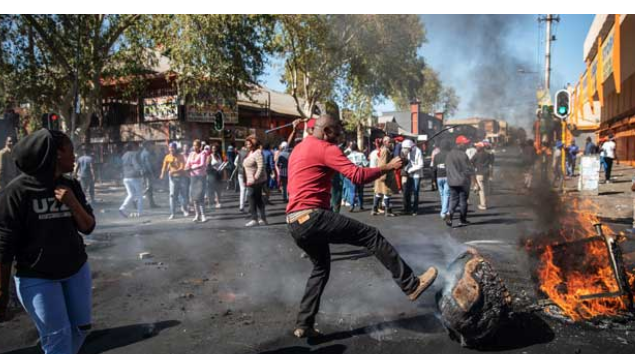
The violence has triggered concern across Africa following reports of deaths and destruction of property.
Foreign-owned businesses have reportedly been looted, vandalised, and in some cases destroyed completely.
Several African countries, including Nigeria and Ghana, have evacuated citizens from affected areas.
The incidents have sparked widespread anger and renewed calls for stronger protection of migrants.
Nigeria, through relevant agencies, condemned the attacks on its citizens in South Africa.
The government described the continued targeting of Nigerians abroad as unacceptable.
Authorities subsequently evacuated 258 Nigerians from South Africa for safety reasons.
Officials said the evacuation followed threats, harassment, and rising insecurity against foreign nationals.
They added that diplomatic engagements with South African authorities are ongoing.
South African police have increased security nationwide amid fears of renewed unrest.
The move followed a June 30 deadline issued by anti-illegal immigration groups.
The groups demanded undocumented migrants leave the country or face unspecified consequences.
Authorities warned that such ultimatums could trigger violence and vigilantism.
Acting Police Minister Firoz Cachalia said security operations had been strengthened nationwide.
He stressed that criminal acts, intimidation, and destruction of property would not be tolerated.
Defence Minister Angie Motshekga added that the military has been deployed to protect key installations.