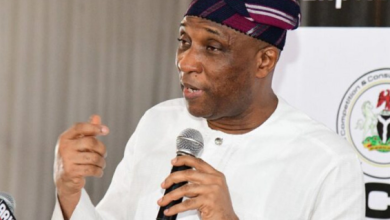
Nigeria has moved beyond the most difficult stage of its economic reforms, with the Federal Government now focusing on accelerating inclusive growth that delivers real benefits to citizens and businesses, according to the Minister of Finance and Coordinating Minister of the Economy, Taiwo Oyedele.
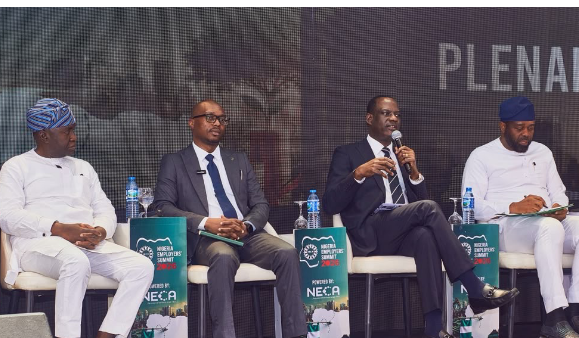
Speaking at the Nigeria Employers’ Summit 2026 on Wednesday in Abuja, organised by the Nigeria Employers’ Consultative Association (NECA), Oyedele said the reforms introduced under President Bola Tinubu’s administration had prevented a looming economic crisis and restored macroeconomic stability.
He explained that while the reforms initially triggered hardship and volatility, they were necessary to correct long-standing fiscal imbalances that had become unsustainable.
According to him, the economy has now transitioned from instability to a more stable footing, creating opportunities for investment, productivity growth, and long-term resilience.
Oyedele noted that before the reforms, government revenue was largely consumed by fuel subsidy payments and debt servicing, leaving little room for infrastructure development and other critical investments.
He said the next phase of the economic agenda will focus on expanding growth, reducing inflation, protecting vulnerable citizens, and supporting small businesses to thrive in a more stable environment.
The minister also called for better public understanding of economic policies, arguing that informed citizens are better positioned to evaluate government performance and contribute to national development.
He further explained that recent tax reforms were designed to protect low-income earners and small businesses while ensuring that higher-income groups contribute more to public revenue.
Other stakeholders at the summit, including representatives from the National Health Insurance Authority and economic experts, agreed that the reforms were necessary but urged government to accelerate measures that will translate macroeconomic stability into improved living standards.
Discussions at the event focused on healthcare financing, infrastructure development, power sector reform, SME support, and strengthening Nigeria’s overall business competitiveness.