The Federal Government has dismissed claims that Nigeria’s debt has risen by about N80 trillion under President Bola Tinubu’s administration, describing the widely circulated figures as exaggerated.
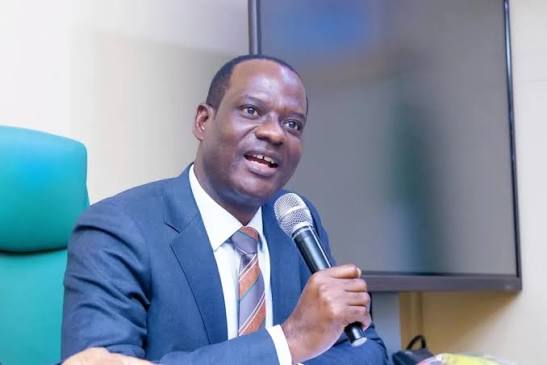
The Minister of Finance and Coordinating Minister of the Economy, Mr Taiwo Oyedele, gave the clarification while addressing the Senate Committee on Finance on Monday during discussions on the state of the nation’s economy.
Responding to questions from Senator Adamu Aliero (Kebbi Central) over allegations that the current administration accumulated N80 trillion in new debt in addition to the N75 trillion inherited, Oyedele said the figures did not accurately reflect government borrowing.
He explained that changes in the debt profile were influenced by factors such as currency depreciation, which increased the naira value of foreign-denominated debt, and the formal recognition of previous obligations.
“That accounting adjustment alone added more than N40 trillion to the public debt figure,” Oyedele said.
The minister also pointed to the securitisation of Ways and Means advances from the previous administration, noting that about N33 trillion was added to official debt records through the process.
“It was not a new borrowing; it was simply bringing previously existing obligations onto the official debt books,” he explained.
Oyedele said much of the government’s domestic borrowing involved refinancing existing debts rather than taking on entirely new obligations.
He assured Nigerians that the administration had been cautious with borrowing, adding that funds obtained were directed mainly towards infrastructure projects rather than consumption.
“We see debt as leverage. Every naira and every dollar borrowed should generate more value than the amount borrowed,” he said.
During the session, some lawmakers raised concerns over the implementation of the capital component of the 2026 budget, with Senate Chief Whip, Senator Mohammed Monguno, questioning the progress of projects.
However, Senate Committee Chairman on Finance, Sen. Sani Musa, said reforms were underway to improve budget execution, including a shift towards performance-based budgeting and a return to improved contractor payment systems.
He expressed optimism that the impact of capital projects would soon be felt across the country.