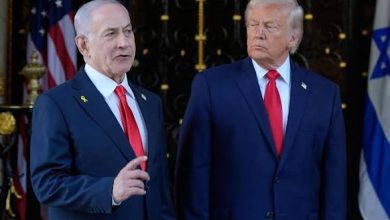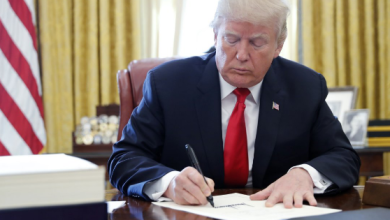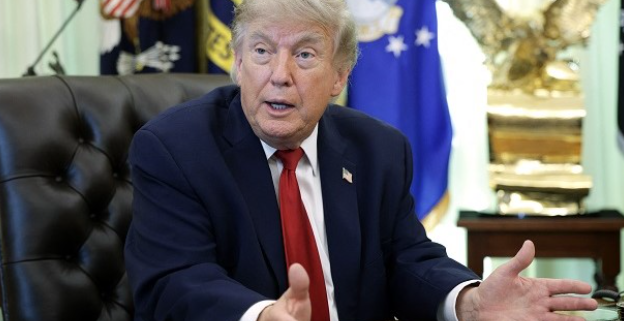
U.S. President Donald Trump has tied a proposed civilian nuclear cooperation agreement with Saudi Arabia to the kingdom’s normalisation of diplomatic relations with Israel under the Abraham Accords, introducing a new condition into the multi-billion-dollar deal.
Trump disclosed on Thursday that the proposed 30-year nuclear partnership, which is expected to involve American companies, would only move forward if Saudi Arabia joins the Abraham Accords, a framework aimed at expanding diplomatic ties between Israel and Arab countries.
The President said the agreement would prevent Riyadh from enriching uranium, although nuclear experts have raised concerns over whether the safeguards would be strong enough to stop the production of weapons-grade material.
Trump’s comments came a day after the U.S. Energy Department and Saudi authorities announced the civilian nuclear agreement without publicly mentioning any requirement for Saudi Arabia to establish formal relations with Israel.
The omission sparked questions from observers, prompting White House Press Secretary Karoline Leavitt to reiterate that Trump remains committed to expanding the Abraham Accords.
“The president is the final dealmaker,” Leavitt said, adding that Trump had repeatedly encouraged Saudi Arabia to normalise relations with Israel.
The development comes amid rising tensions across the Middle East, with concerns that worsening conflicts could affect global energy markets and international trade.
In Yemen, the Iran-backed Houthi movement threatened further action against Saudi Arabia and claimed responsibility for attacks on two Saudi oil tankers in the Red Sea.
The attacks contributed to a rise in international crude oil prices, which approached $100 per barrel.
Trump responded with a warning of “major military punishment” if attacks on commercial shipping continue.
Meanwhile, tensions surrounding Iran have also intensified in Washington, where the U.S. House of Representatives narrowly approved a resolution seeking to restrict further military action against Iran without congressional authorisation.
The measure passed by 214 votes to 208, reflecting growing concerns among lawmakers over possible escalation of the conflict, although the resolution is largely symbolic.
The House also approved a Republican-backed $95 billion budget proposal aimed at funding the Iran war and other administration priorities.
The proposal, however, still required approval by the Senate before it can become law.
The Saudi nuclear agreement, alongside the push for normalisation with Israel, is expected to remain a key focus of U.S. Middle East policy as Washington seeks to reshape diplomatic and security relations in the region.