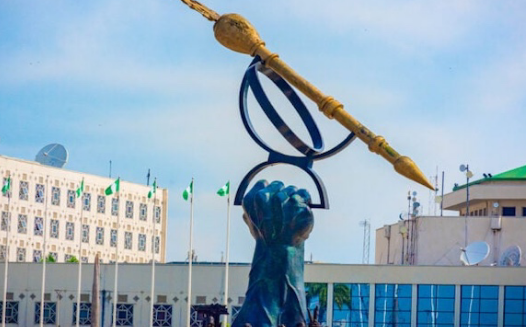
A coalition of 90 Nigerian, African and international civil society and human rights organisations has urged the National Assembly to withdraw the proposed Foreign Aid (Regulation, Transparency and Disclosure) Bill, 2026, and other pending legislative proposals it described as threats to civic freedoms and democratic participation.
The coalition, led by the Executive Director of the Civil Society Legislative Advocacy Centre (CISLAC), Mr. Musa Rafsanjani, made the call during a joint press conference in Abuja on Monday.
The groups warned that the proposed laws could further restrict civic space and undermine constitutional rights ahead of the 2027 general elections.
The Foreign Aid Bill, sponsored by Senator Ibrahim Hassan Dankwambo, seeks to establish a regulatory framework for foreign grants, donations and technical assistance through the creation of a Foreign Aid Regulatory Commission.
The proposed commission would be responsible for registering, monitoring, auditing and overseeing foreign-funded projects, while requiring organisations receiving foreign assistance to disclose funding details and comply with reporting obligations.
However, the coalition argued that the bill would grant excessive powers to government authorities to monitor and control civil society organisations, media platforms and independent advocacy groups.
Rafsanjani said the proposals represented a broader attempt to expand executive control over civic activities.
“These legislative proposals are being considered at a time when civic space in Nigeria is experiencing one of its most serious periods of decline since the country’s return to democratic rule in 1999,” he said.
He added that the bills could weaken public accountability by limiting the ability of civil society and the media to scrutinise government actions.
The coalition also opposed a separate proposal requiring social media companies to establish physical offices in Nigeria, arguing that it could increase government influence over digital platforms and threaten freedom of expression.
According to the groups, both proposals conflict with constitutional provisions protecting freedom of expression, association and peaceful assembly, as well as Nigeria’s obligations under international human rights agreements.
Rafsanjani criticised the Foreign Aid Bill despite acknowledging the importance of transparency in funding.
He said some provisions could transform legitimate financial oversight into state control by empowering a proposed regulatory body to conduct inspections, impose sanctions and enforce compliance requirements.
The coalition argued that existing institutions, including the Corporate Affairs Commission, the Economic and Financial Crimes Commission and the Special Control Unit against Money Laundering, already perform relevant oversight functions.
It also raised concerns over what it described as increasing pressure on journalists, activists and rights organisations, citing alleged arrests, prosecutions and harassment of government critics.
The organisations said foreign support remained vital to humanitarian activities, election monitoring, anti-corruption campaigns, legal aid and human rights advocacy, describing such assistance as international cooperation rather than interference.
They called on the Senate President, Speaker of the House of Representatives and lawmakers to withdraw the bills and ensure that future legislation affecting civic freedoms complies with constitutional and international human rights standards.
“The National Assembly now faces a defining constitutional choice. It can enact legislation that expands executive control, shrinks civic space and accelerates democratic decline, or it can uphold the Constitution and reaffirm Nigeria’s commitment to democratic governance, accountability and the rule of law,” Rafsanjani said.
The statement was endorsed by organisations including Amnesty International Nigeria, ActionAid Nigeria, SERAP, Yiaga Africa, BudgIT Foundation, Centre for Democracy and Development, Media Rights Agenda, International Press Centre and Wole Soyinka Centre for Investigative Journalism, among others.