The Senate Committee on Banking, Insurance and Other Financial Institutions has stepped up its drive to strengthen Nigeria’s financial architecture, bringing major regulators and industry experts together to address vulnerabilities in the system and develop measures capable of supporting economic stability and sustainable growth.
The expanded stakeholders’ engagement, held in Lagos at the weekend, brought together senior representatives of the Central Bank of Nigeria (CBN), Nigeria Deposit Insurance Corporation (NDIC), Asset Management Corporation of Nigeria (AMCON), National Insurance Commission (NAICOM) and Nigeria Export-Import Bank (NEXIM), among other financial sector stakeholders.
The engagement, themed “Strengthening Financial System Architecture for Sustainable Economic Growth and Stability in Nigeria,” focused on the interconnected challenges facing the financial sector, including inflation, financial inclusion, cybersecurity, insurance penetration, export financing and the need to strengthen regulatory coordination.
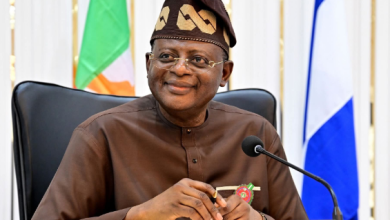
Chairman of the Senate committee, Senator Mukhail Adetokunbo Abiru (Lagos East), represented at the event by Senator Osita Izunaso (Imo West), said the legislature recognised the financial system as a critical foundation for investment, job creation, business expansion and macroeconomic stability.
He said the prevailing economic environment made stronger cooperation between lawmakers, regulators and industry stakeholders imperative, particularly as Nigeria navigates domestic pressures and uncertainties in the global economy.
According to Abiru, the various components of the financial system must function together if the country is to achieve lasting economic stability.
“The effectiveness of monetary policy, the strength of our financial safety nets, the soundness of our banking institutions, the vibrancy of the insurance industry and the availability of export finance are all interdependent components of a stable and well-functioning financial architecture,” he said.
He explained that the expanded engagement was designed to encourage candid discussions on the challenges confronting the financial sector and produce practical recommendations that could inform future legislative and regulatory action.
“The Senate is committed to ensuring that our financial system is not only resilient but also responsive to the needs of our people and capable of supporting sustainable economic growth,” he said.
The insurance industry emerged as one of the major areas of focus during the engagement, with the National Insurance Commission commending the Senate committee for its legislative interventions in the sector.
The Commissioner for Insurance and Chief Executive Officer of NAICOM, Olusegun Ayo Omosehin, said the Nigeria Insurance Industry Reform Act (NIIRA) 2025, sponsored by Abiru and the committee, had contributed to stabilising the industry and aligning its regulatory framework with international best practices.
“The NIIRA 2025 has helped in stabilising the sector and repositioning insurance practice in line with current best global practices,” Omosehin said.
He disclosed that 43 insurance companies had successfully recapitalised following the reforms, describing the development as a significant step towards strengthening the sector.
Omosehin also commended the committee for the passage of the Insurance Regulatory Commission Bill.
He appealed to the House of Representatives to expedite consideration of the legislation and transmit it to President Bola Tinubu for assent.
“We commend Senator Abiru and the committee for the passage of the Insurance Regulatory Commission Bill, and we appeal for its timely passage by the House of Representatives and subsequent assent by Mr. President,” he said.
Regulators commend Senate oversight
Representatives of the CBN Governor and the chief executives of AMCON, NEXIM and NDIC also commended the Senate committee for what they described as constructive legislative oversight and support for the financial institutions.
They said the committee’s interventions had contributed to strengthening the capacity of the agencies to discharge their statutory responsibilities.
The stakeholders emphasised the importance of sustained collaboration between the legislature and financial regulators, particularly in an environment where financial institutions face rapidly evolving risks arising from technology, economic volatility and changing global financial conditions.
The discussions also highlighted the need to ensure that regulatory policies do not operate in isolation but complement one another across banking, insurance, deposit protection, asset management and export financing.
The engagement featured policy presentations by financial and economic experts, including Professor Uche Uwaleke, President of the Capital Market Academics of Nigeria (CMAN); Professor Biodun Adedipe, Chief Consultant, B. Adedipe Associates Limited; and Dr. Tilewa Adebajo, Chief Executive Officer of CFG Advisory.
The experts examined issues affecting Nigeria’s financial system, the wider economy and the prospects for sustainable growth.
Their presentations and subsequent discussions focused on strengthening financial institutions, improving coordination among regulators, expanding access to financial services and restoring confidence in the financial system.
They also examined ways of creating a more attractive investment environment capable of supporting businesses and increasing the contribution of the financial sector to economic development.
Financial inclusion was identified as another critical area requiring sustained attention, particularly as policymakers seek to ensure that individuals and businesses outside the formal financial system can access appropriate financial products and services.
The stakeholders also underscored the growing importance of cybersecurity and digital finance, as technological changes continue to reshape financial services while introducing new risks for institutions, consumers and regulators.
Senate pledged continued oversight
In his closing remarks, Abiru said the Senate would continue to engage regulators and other stakeholders in strengthening the country’s financial architecture.
He said the legislature would remain focused on policies designed to expand access to financial services, improve confidence in financial institutions and strengthen the effectiveness of regulatory agencies.
The committee, he added, would continue to support measures that would make Nigeria’s financial sector more competitive and better equipped to support economic transformation.
The Senate remained committed to policies that would “deepen financial inclusion, strengthen public confidence in financial institutions, improve regulatory effectiveness and position Nigeria’s financial system to compete more effectively in the global economy,” he said.
The Lagos engagement forms part of the committee’s broader legislative oversight efforts and comes at a time when Nigeria’s financial institutions are being called upon to play a greater role in supporting investment, expanding access to credit, strengthening businesses and cushioning the effects of economic pressures.
The outcome of the engagement is expected to feed into ongoing legislative and regulatory efforts aimed at building a financial system that is more resilient, inclusive and capable of supporting Nigeria’s long-term economic ambitions.