A World Trade Organisation (WTO) meeting in the Cameroonian capital ended in a deadlock early Monday, as members failed to reach consensus on core issues including reform, agriculture, and the renewal of a global moratorium on customs duties for e-commerce.
Deep divisions blocked any deal, highlighting persistent challenges in global trade governance.
The stalemate followed Brazil’s objection to a bid by the United States and other countries to extend the moratorium on duties for electronic transmissions, covering digital downloads and streaming.
Among the setbacks, trade ministers could not extend the long-standing moratorium under which WTO members refrained from levying charges on cross-border digital transmissions, a blow for developed countries, particularly Washington.
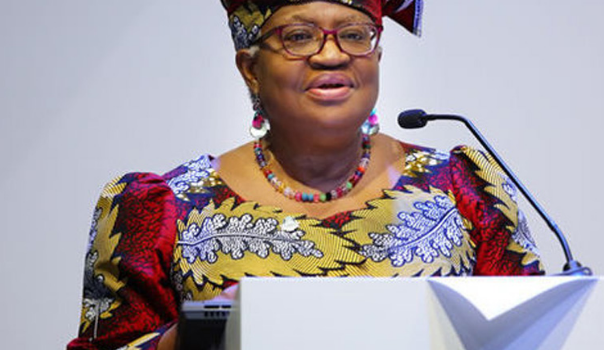
“We worked hard,” WTO Director-General Ngozi Okonjo-Iweala told the conference, reflecting frustration after four days of intense negotiations.
The talks, originally scheduled to conclude around midday Sunday, repeatedly saw the closing ceremony delayed as negotiators sought some form of agreement.
Early Sunday, delegates emerged from an overnight session with a draft text in hand, signaling that a minimal deal on reform might be achievable, according to diplomatic sources.
That prospect dissolved when Brazil intervened at the last minute, blocking a text on the e-commerce moratorium in protest over the lack of progress in separate agricultural negotiations, sources told AFP on condition of anonymity.
The 166-member WTO has struggled for years to establish a work programme on agriculture, a highly sensitive issue for many countries.
Going into Yaounde, participants had set modest goals, hoping only to issue a joint declaration laying the groundwork for future negotiations.
The talks unfolded against a backdrop of heightened trade tensions and global economic uncertainty linked to the Middle East conflict.
Ministers were tasked with developing an action plan to revitalise a WTO weakened by stalled negotiations, geopolitical strains, and rising protectionism.
Any progress on reform depended on resolving the recurring question of the moratorium on customs duties for electronic transmissions, in place since 1998 and renewed at every ministerial meeting since then.
This time, members failed to reach an agreement, allowing it to lapse on Monday.
The United States had pushed for the moratorium to be made permanent, but many developing countries, India chief among them, opposed the move, citing potential losses in tax revenues.
Washington had lowered its expectations during the talks, with a five-year extension appearing possible on Sunday.
Brazil, however, insisted on no more than a two-year renewal, the country’s top diplomat said on X.
The expiration of the moratorium does not automatically trigger tariffs on digital trade, as members can continue individually to refrain from imposing duties on online goods and services, from e-books and music to telemedicine.
Despite low expectations, many had hoped the moratorium, regularly renewed since 1998, would at least be extended.
Trade ministers could not agree on more than a two-year period, insufficient for the United States, diplomats said.
One noted that the WTO’s future was being jeopardised.
U.S. officials and business groups expressed frustration, while Britain’s Business and Trade Secretary, Peter Kyle, described the outcome as a “major setback for global trade.”
The talks tested the WTO’s relevance amid ongoing trade disruptions and recent turmoil in the Middle East.
Still, a subset of 66 members sidestepped previous hurdles to reach the world’s first baseline deal on digital trade rules among participants.
Reacting to the deadlock, Deputy Secretary General of the International Chamber of Commerce (ICC), Andrew Wilson, said, “It marks another crack in the foundations of the WTO system,” urging delegates to renew the moratorium before new charges hit digital services.