The World Health Organisation (WHO) has raised alarm over the worsening Ebola outbreak in the eastern Democratic Republic of Congo (DRC), warning that ongoing armed conflict is severely undermining efforts to contain the deadly disease.
WHO Director-General Tedros Adhanom Ghebreyesus issued the warning on Wednesday as health authorities struggled to respond to the rapidly spreading outbreak in Ituri province.
The health agency disclosed that it has recorded 10 confirmed Ebola deaths and 223 suspected fatalities since the outbreak was officially declared in mid-May 2026.
More than 1,000 additional suspected cases have also been reported, intensifying fears of a wider health emergency in the region.
According to the WHO, insecurity in eastern Congo has become one of the biggest obstacles to controlling the outbreak.
The region has faced decades of armed conflict involving numerous militia groups, leading to widespread displacement, weak healthcare systems, and persistent humanitarian crises.
Tedros warned that the combination of violence and disease now posed a major threat to both local communities and regional public health.
“Eastern DRC now faces a catastrophic collision of disease and conflict with the Ebola outbreak in Ituri province outpacing the response,” he said in a statement posted on X.
The WHO chief stressed that continued fighting was making it extremely difficult for health workers to trace infections, isolate patients, and build trust within affected communities.
He noted that attacks on healthcare facilities and insecurity around outbreak zones were hampering emergency operations.
“Frontline workers are risking everything, while attacks on health facilities make tracking cases and their contacts nearly impossible,” Tedros stated.
He further lamented that violence in the region had forced many residents to flee into overcrowded camps, increasing the risk of transmission.
“We cannot build community trust or isolate the sick while bombs are falling,” he warned.
Tedros called on all armed groups and warring parties in the region to agree to an immediate ceasefire to allow health authorities to contain the outbreak effectively.
Amid fears of cross-border transmission, neighbouring Uganda announced the immediate closure of its border with the Democratic Republic of Congo.
Ugandan authorities also introduced a mandatory 21-day quarantine for all individuals arriving from the DRC.
The quarantine measures wouldvbe supervised by the country’s Ministry of Health alongside district surveillance teams.
Uganda has already recorded seven cases linked to the Bundibugyo strain of Ebola, the same variant responsible for the current outbreak in Congo.
Health experts have expressed concern over the possibility of the disease spreading across borders due to the movement of displaced populations and traders within the region.
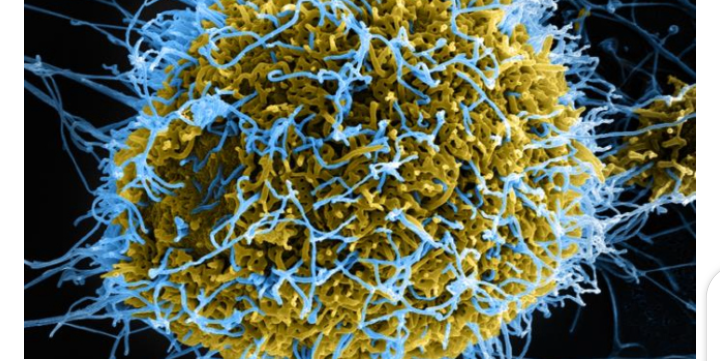
The WHO confirmed that there is currently no approved vaccine or specific treatment for the Bundibugyo strain of Ebola driving the latest outbreak.
The outbreak marks the 17th recorded Ebola epidemic in the Democratic Republic of Congo, a country that has repeatedly battled deadly viral outbreaks over the years.
Although the WHO said the current case fatality rate is below 25 per cent, lower than several previous outbreaks, officials warned that the actual spread of the virus could be significantly higher than reported figures suggest.
According to the organisation, the virus may have circulated undetected for some time before authorities officially identified the outbreak.
Healthcare access in many rural communities in Ituri province remained extremely limited due to years of conflict and poor state presence.
The worsening outbreak has also drawn international attention amid fears of a broader regional health emergency.
Reports indicated that the United States is planning to establish a quarantine centre in Kenya to support Americans needing evacuation from the DRC while undergoing isolation procedures.
The move reflects growing global concern over the potential impact of the outbreak if containment efforts continue to face disruption.
Health experts have repeatedly warned that disease outbreaks in conflict zones are often more difficult to control because insecurity limits surveillance, vaccination campaigns, public awareness efforts, and access to treatment.
The WHO has continued to urge stronger international cooperation, humanitarian access, and urgent support for health workers battling the outbreak on the frontlines.