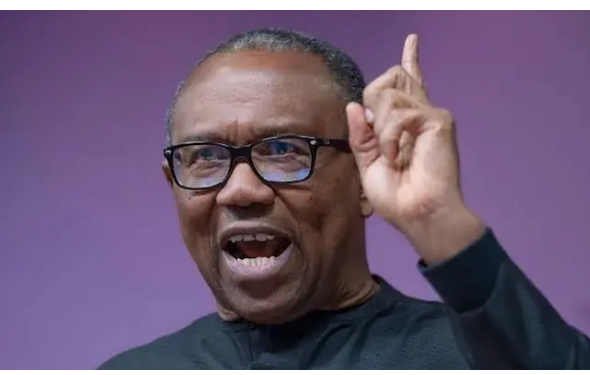
Presidential hopeful and former Governor of Anambra State, Peter Obi, has pledged to take a hard stance against corruption and criminality in Nigeria’s fuel subsidy system if elected president in 2027.
Speaking during an interview on Trust TV, Obi argued that Nigeria’s reported fuel consumption figures are unrealistic and do not reflect actual usage, insisting that the system is widely vulnerable to abuse.
He maintained that the subsidy regime has become a channel for organised fraud and would not be tolerated under his leadership.
“Subsidy is organised crime and I won’t allow any form of criminality as the president of Nigeria.
”The amount of fuel they say we consume cannot be consumed by this country, there’s empirical evidence,” he said.
Obi questioned the credibility of national fuel consumption data, suggesting that official figures are inconsistent with observable realities in the country’s transport and energy usage patterns.
He further compared Nigeria’s fuel consumption with that of Pakistan, arguing that despite similarities in population size and infrastructure, Pakistan reportedly consumes significantly less fuel.
“We are about the same as Pakistan; they have more roads, and we probably have the same number of vehicles, or they have even more, yet their fuel consumption is a third of ours, so who is drinking the balance?” he asked.
Obi noted that although subsidy removal had been widely discussed during the 2023 election cycle, the focus should go beyond elimination to addressing systemic loopholes that enable misreporting and exploitation.
During the 2023 presidential election, Obi and other major candidates supported subsidy removal, describing it as financially unsustainable.
President Bola Tinubu later announced the end of the subsidy on May 29, 2023, during his inauguration in Abuja.
The policy shift led to a sharp rise in fuel prices and transportation costs nationwide, with ongoing economic pressure still affecting households and businesses.
Obi, however, insisted that a credible reform of the petroleum sector must include transparent auditing of consumption data and strict enforcement mechanisms to prevent abuse.